Systems That Built the Last Century are
Struggling to Build the Next
Humanity has never possessed greater imaginative, scientific, or technological capacity. Yet many of the challenges now confronting us exceed the capacity of the systems designed to manage them. We are living through a civilization inflection point, artificial intelligence, biotechnology, climate resilience, public health, education and democratic governance are reshaping the conditions under which societies operate.
These are not challenges that can be met through incremental innovation alone. They require structural redesign.
Yet many of the systems responsible for turning possibility into lasting progress remain optimized for another era—rewarding short-term performance, operational efficiency, risk reduction, and extraction over long-horizon transformation.
The result is what Possibility Sciences calls the Possibility Gap: the widening distance between what humanity can imagine and what our systems are capable of realizing.
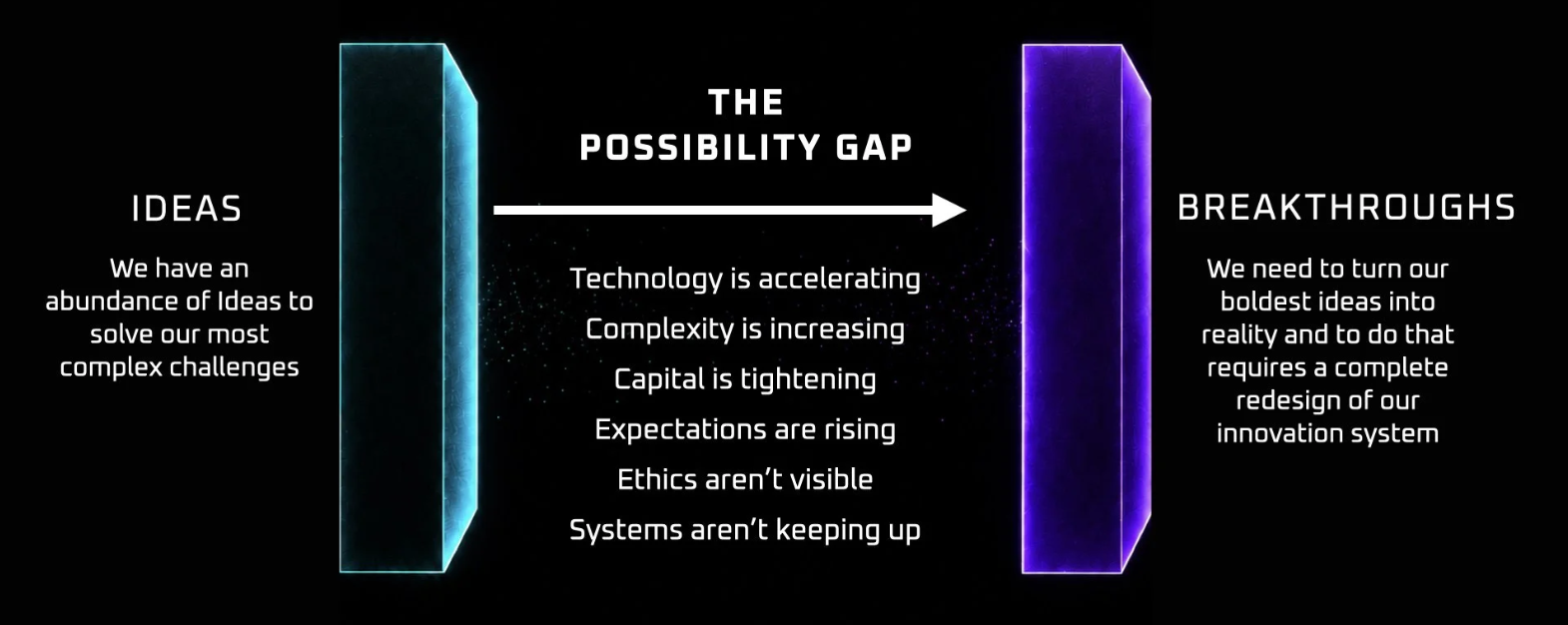
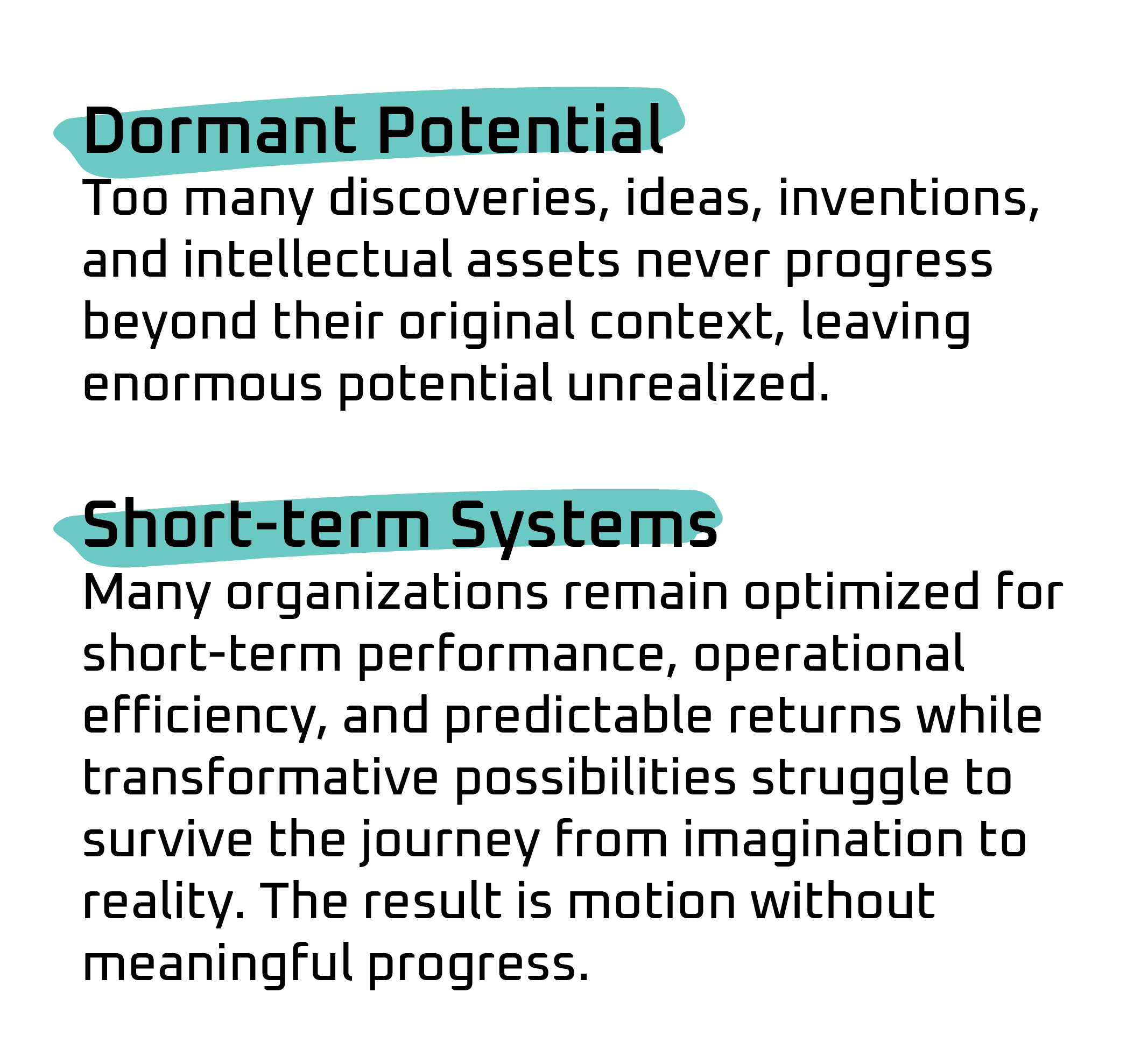
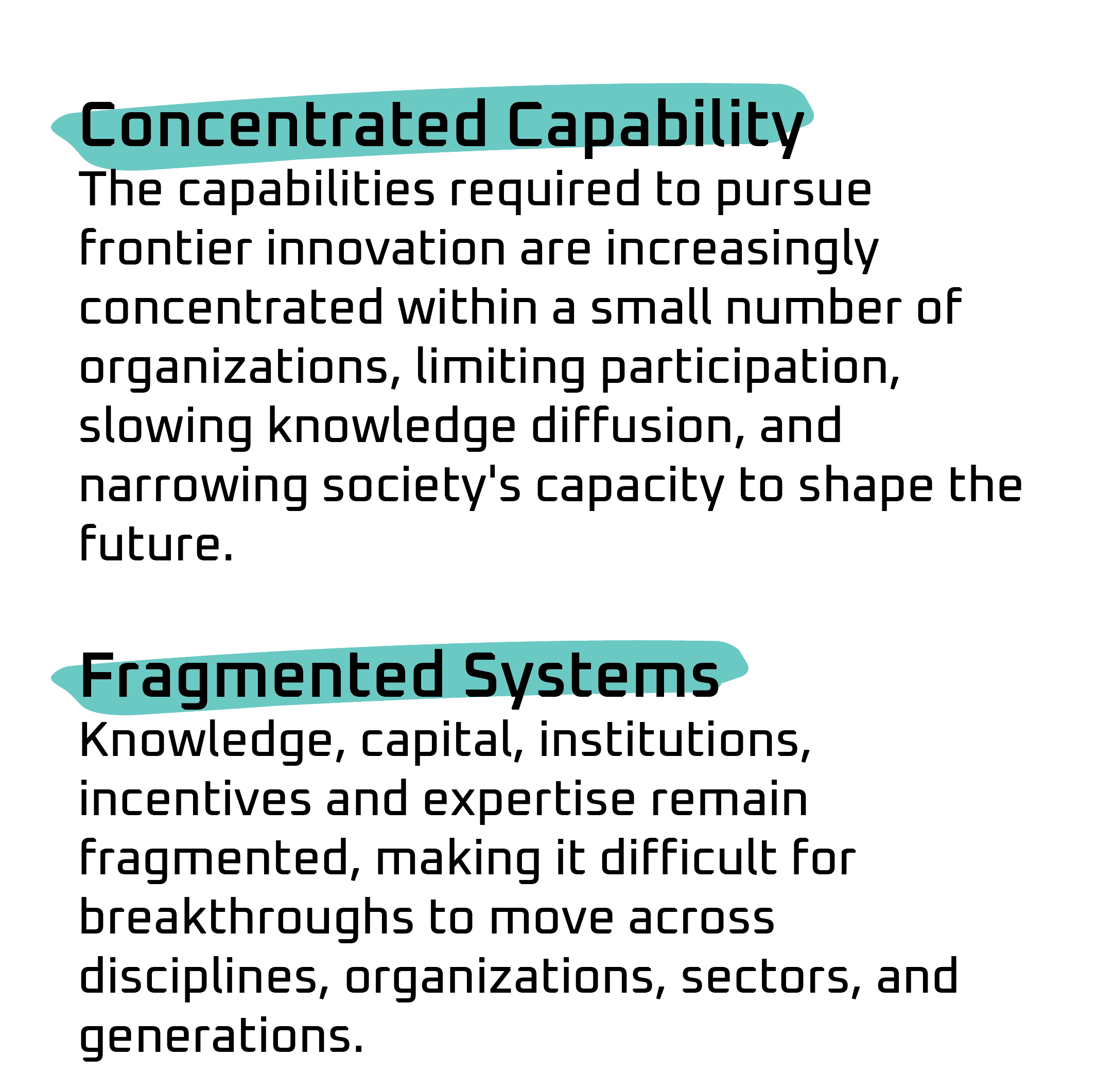
Today, the Possibility Gap is visible across the innovation ecosystem — from research and development to venture capital, entrepreneurship, commercialization, and invention.
Possibility Sciences begins with a simple premise:
Bold ideas alone are not enough. Lasting progress requires systems that allow knowledge, capability, imagination, and learning to accumulate over time.
Possibility Sciences is a new interdisciplinary field dedicated to understanding — and improving — how bold possibilities become enduring reality.
The central question is simple: How do bold ideas emerge, survive, spread, and redefine what’s possible?
The discipline examines the entire journey from an early signal or bold idea to system-level change. It develops the methods, infrastructure, and practices needed to enable that journey from possibility to lasting impact.
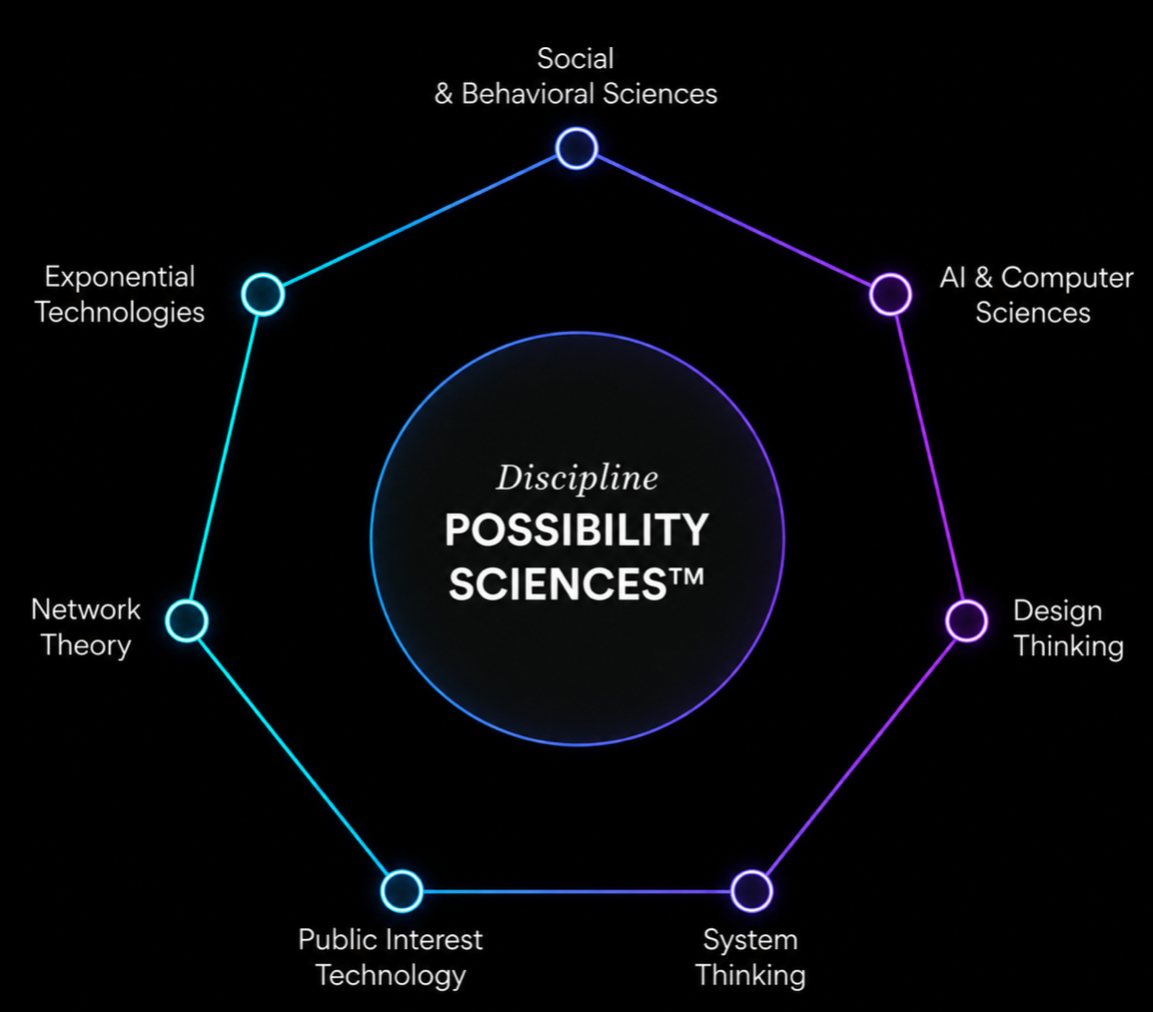
Built on Seven Disciplines. United as One Field.
Possibility Sciences emerges at the intersection of seven established disciplines. Together, they provide the intellectual foundation for a new field — one that explains how breakthroughs emerge, why they so often stall, and how people and institutions can design the conditions under which bold possibilities survive, spread, and compound.
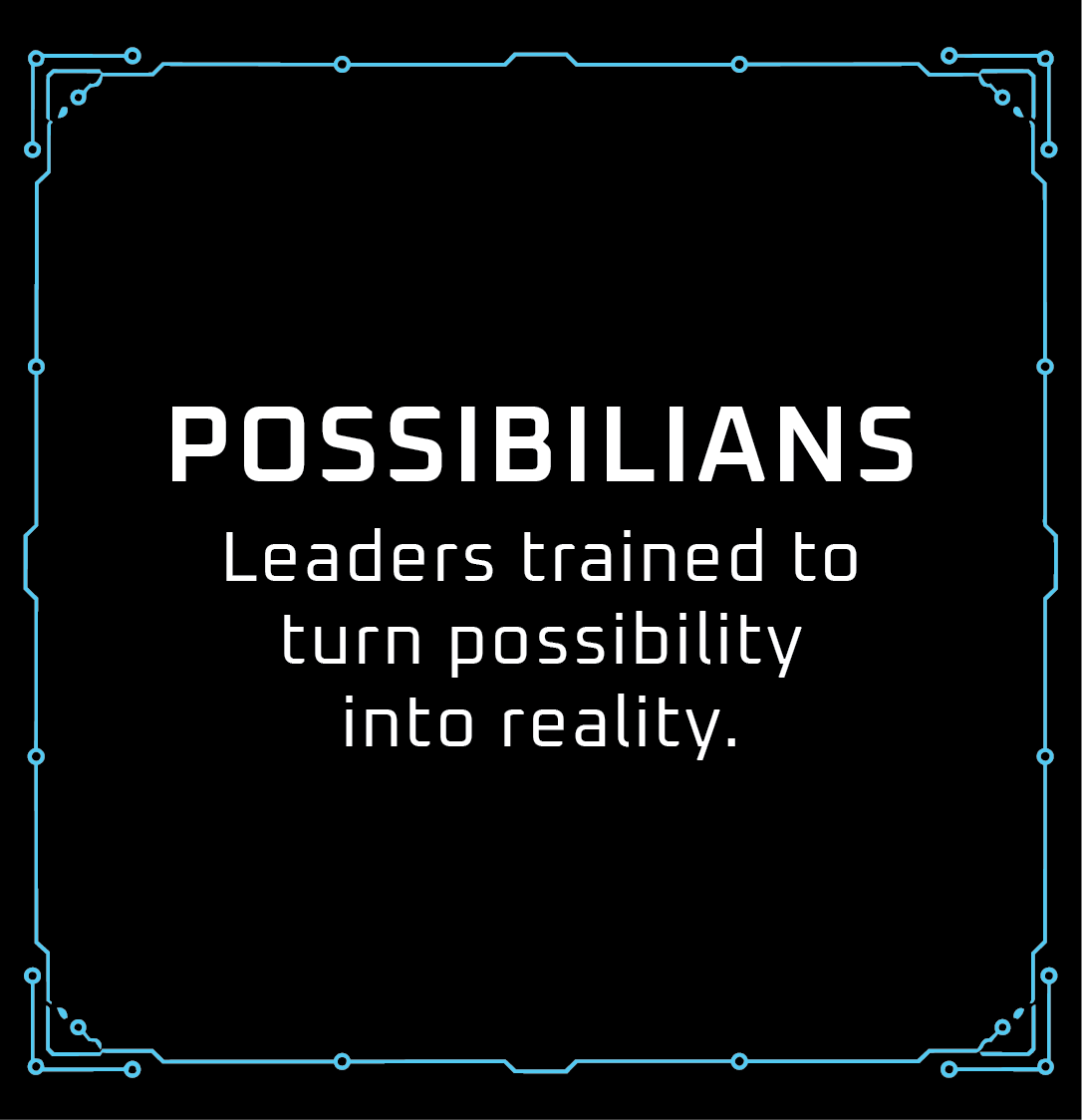
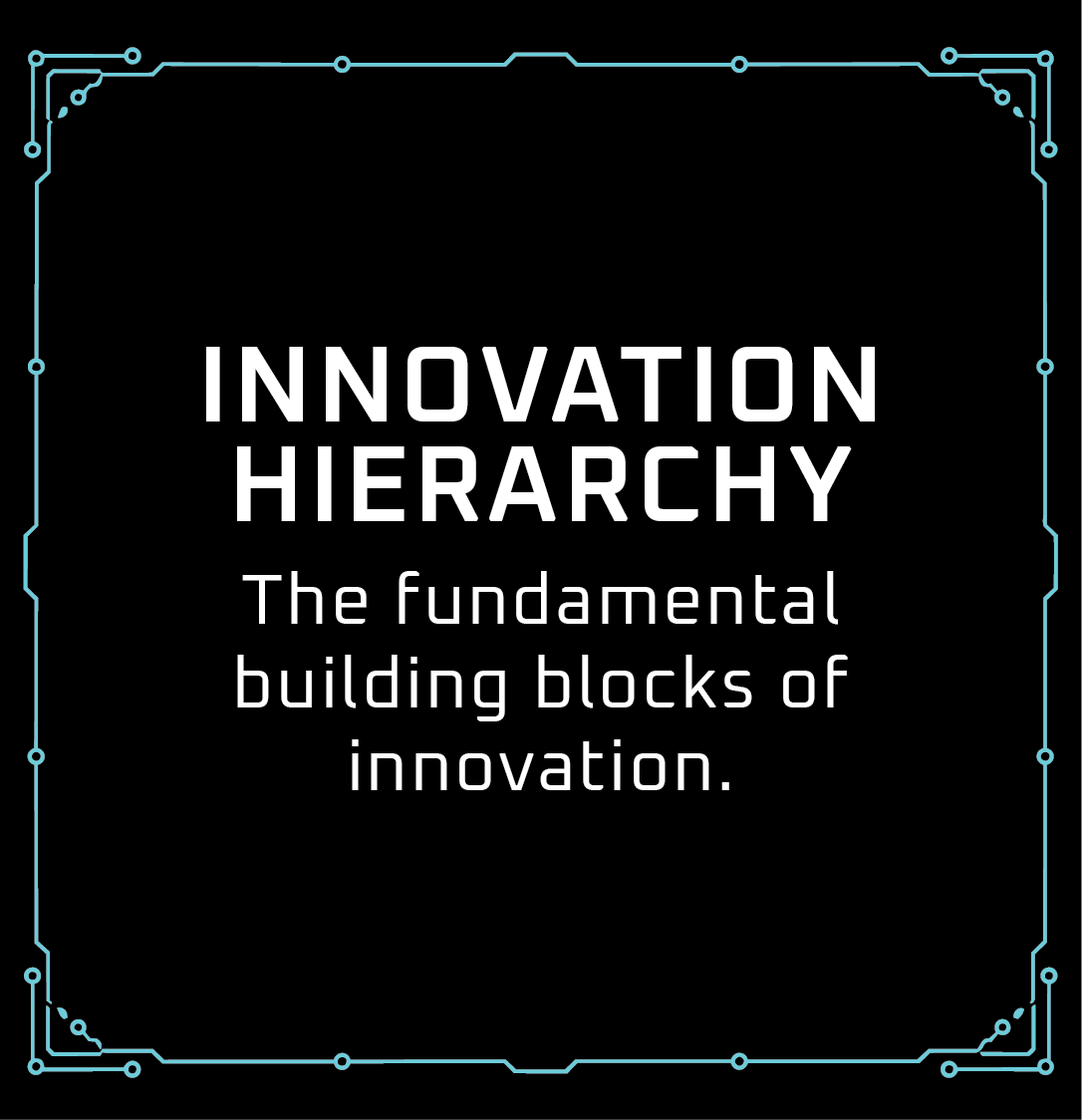
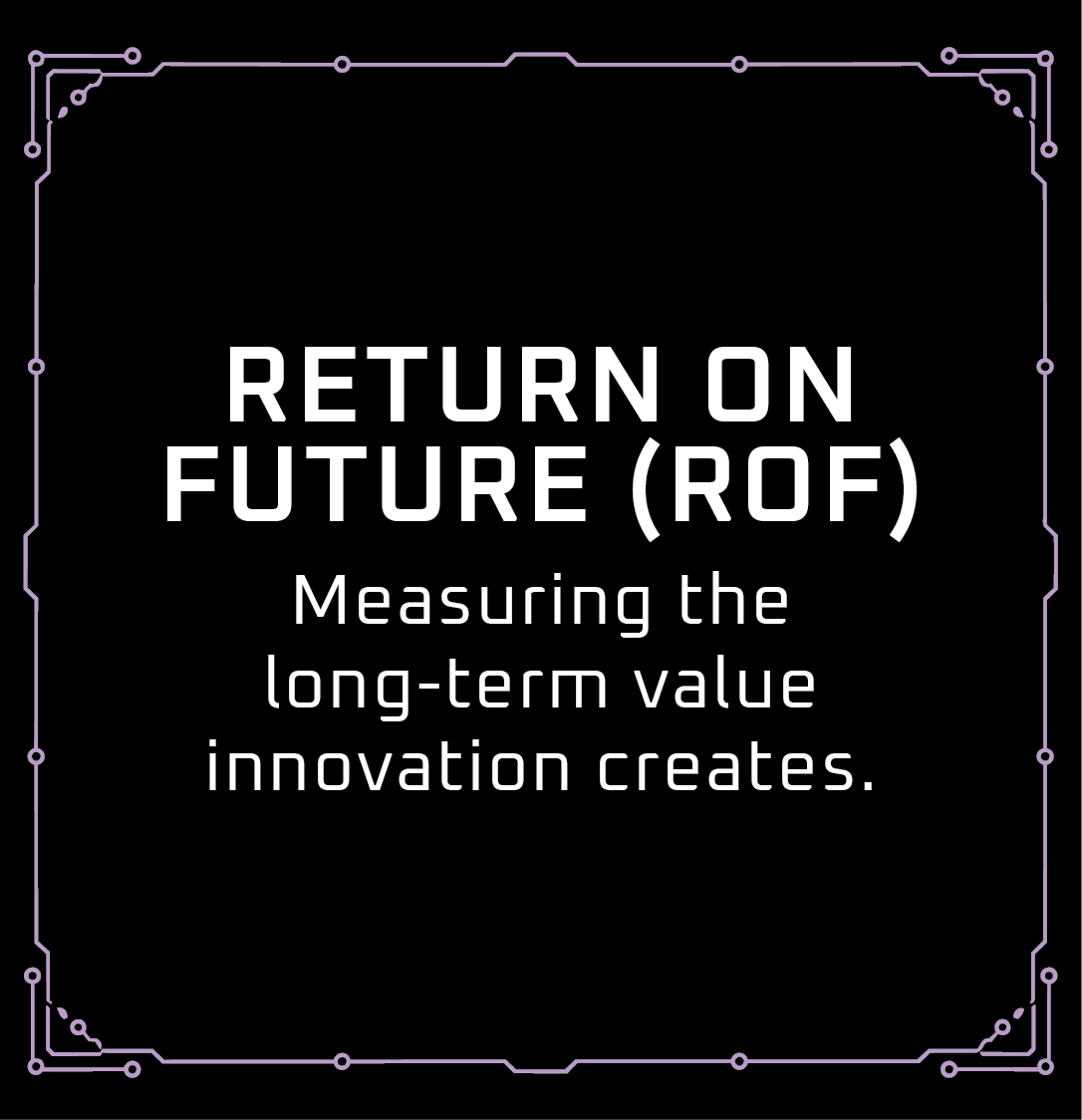
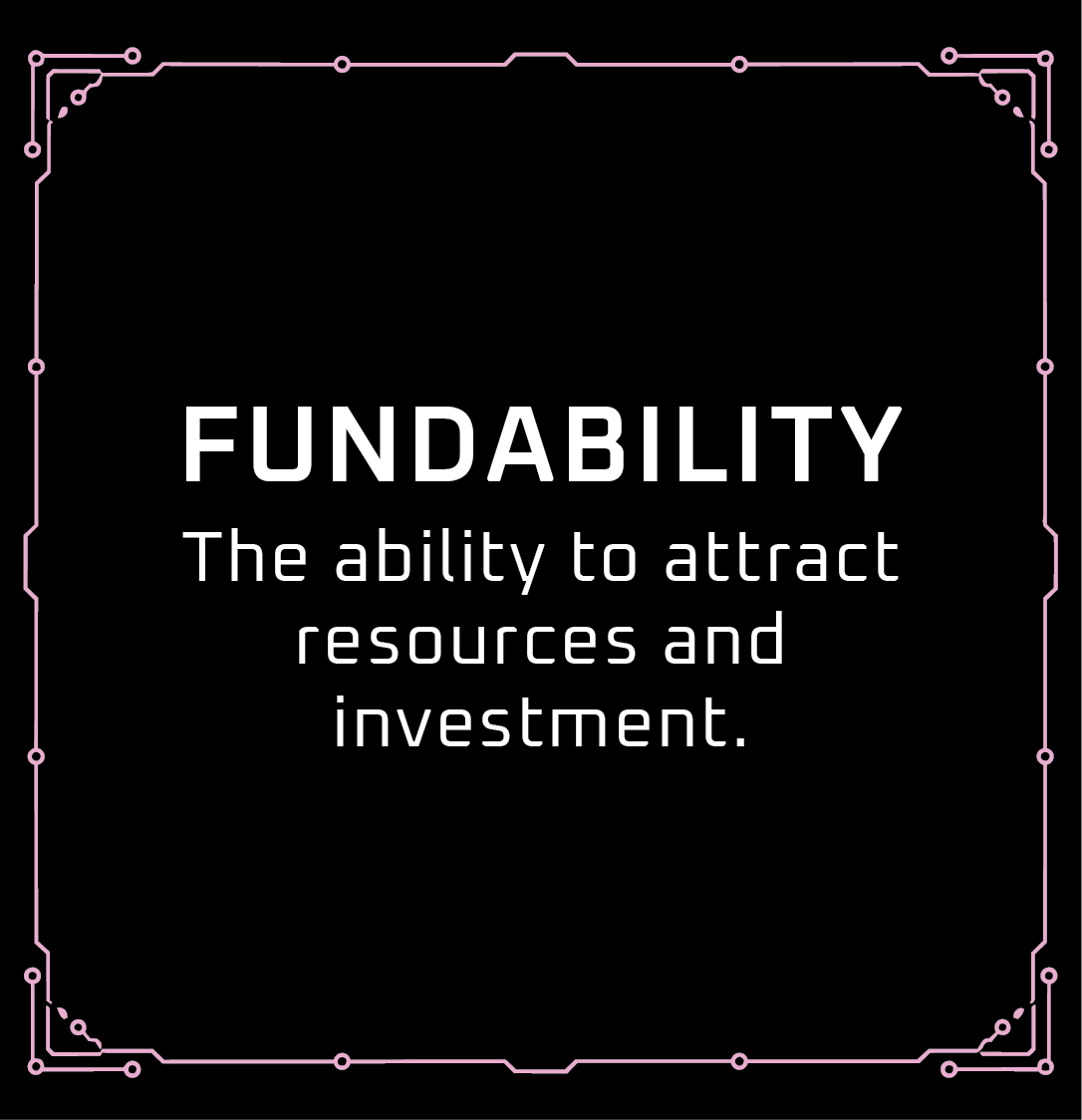
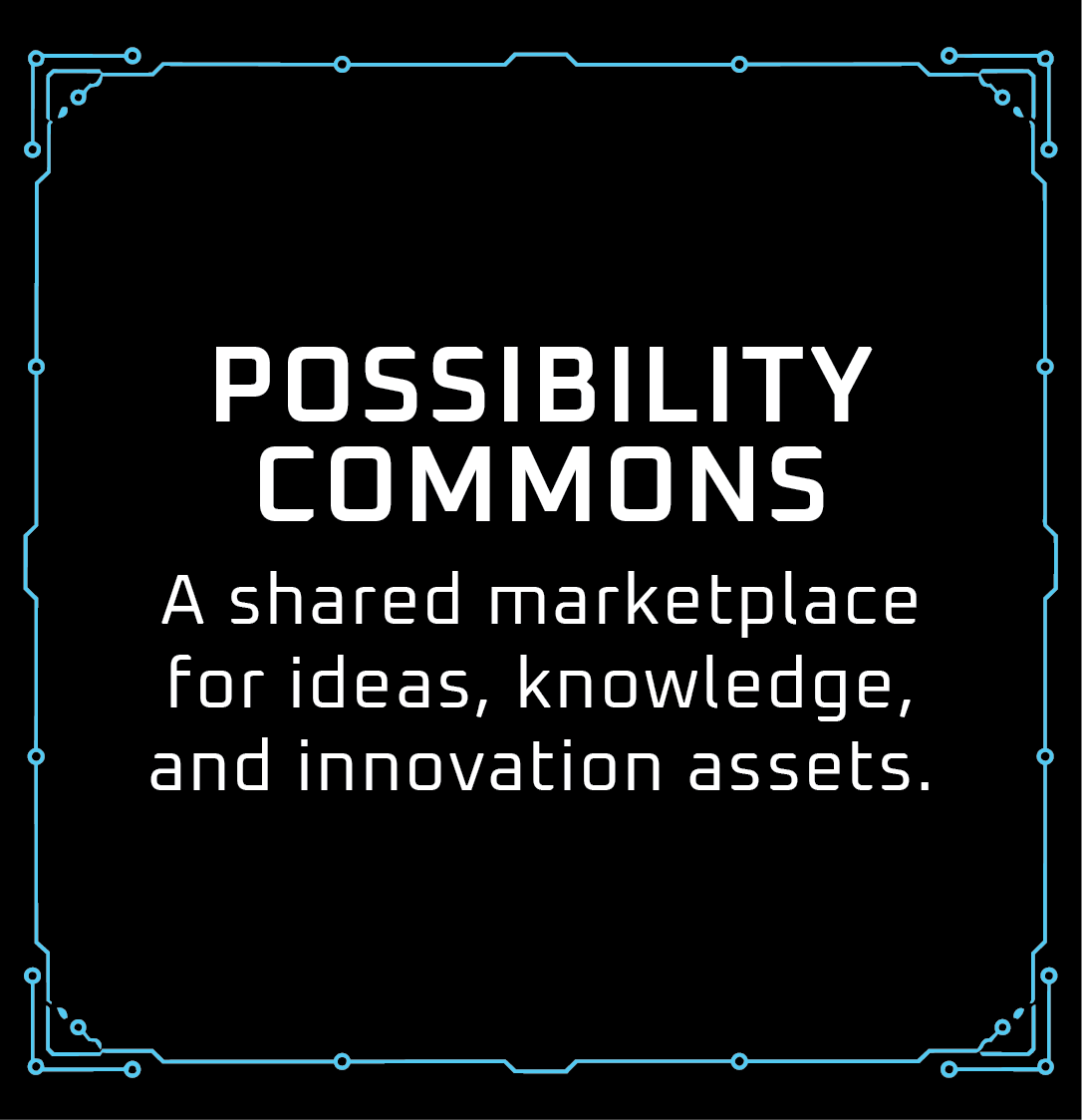
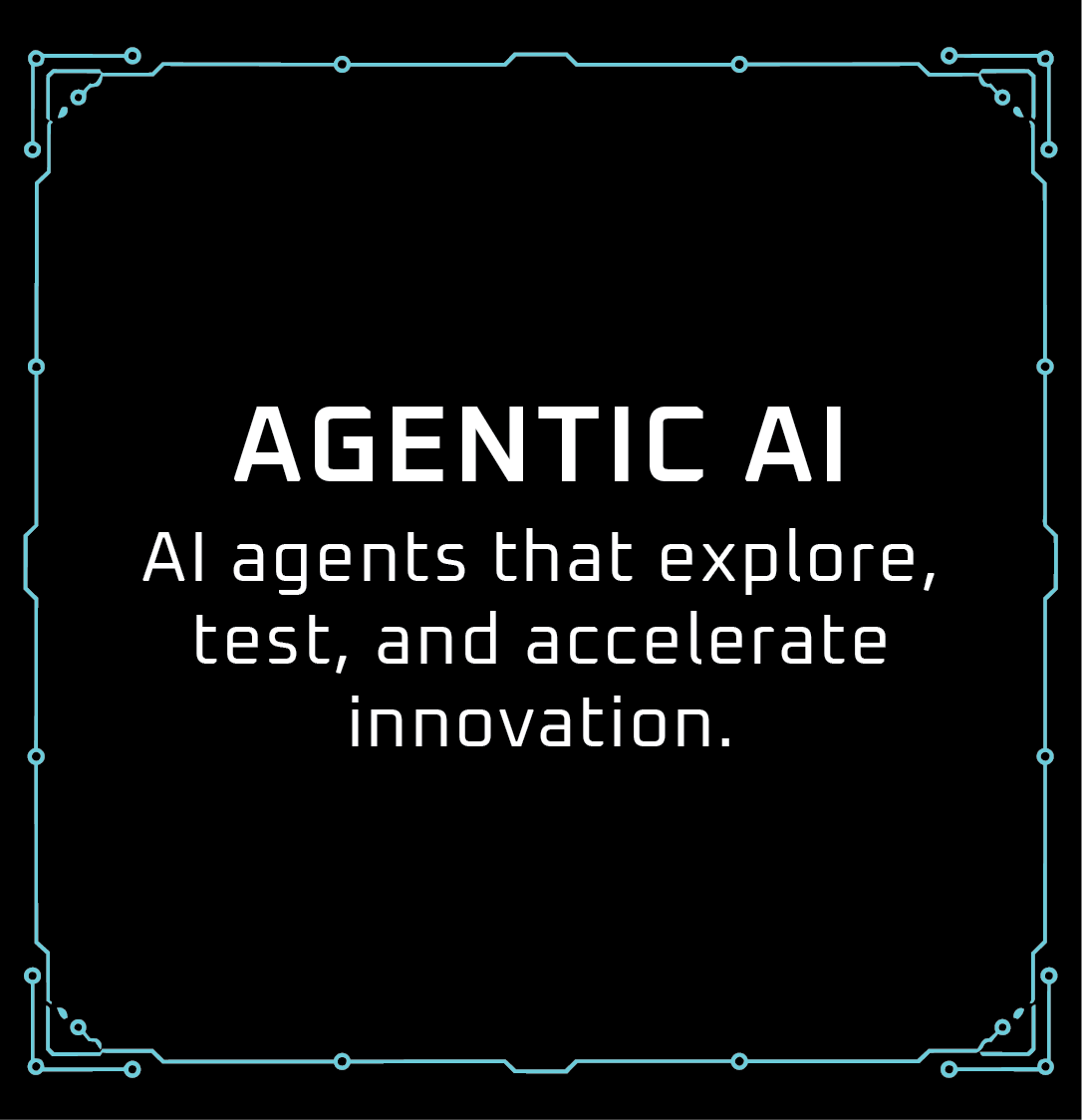
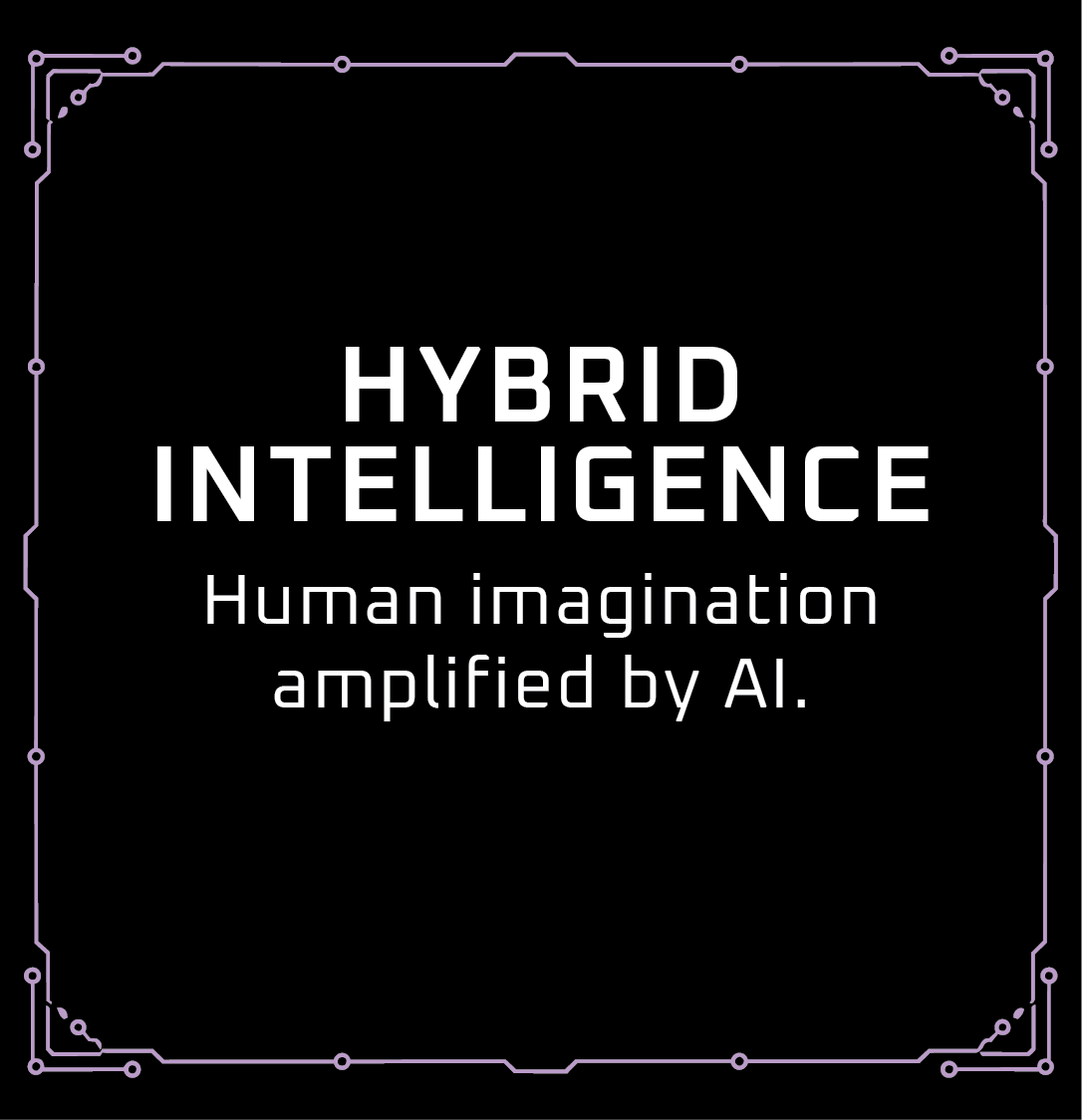
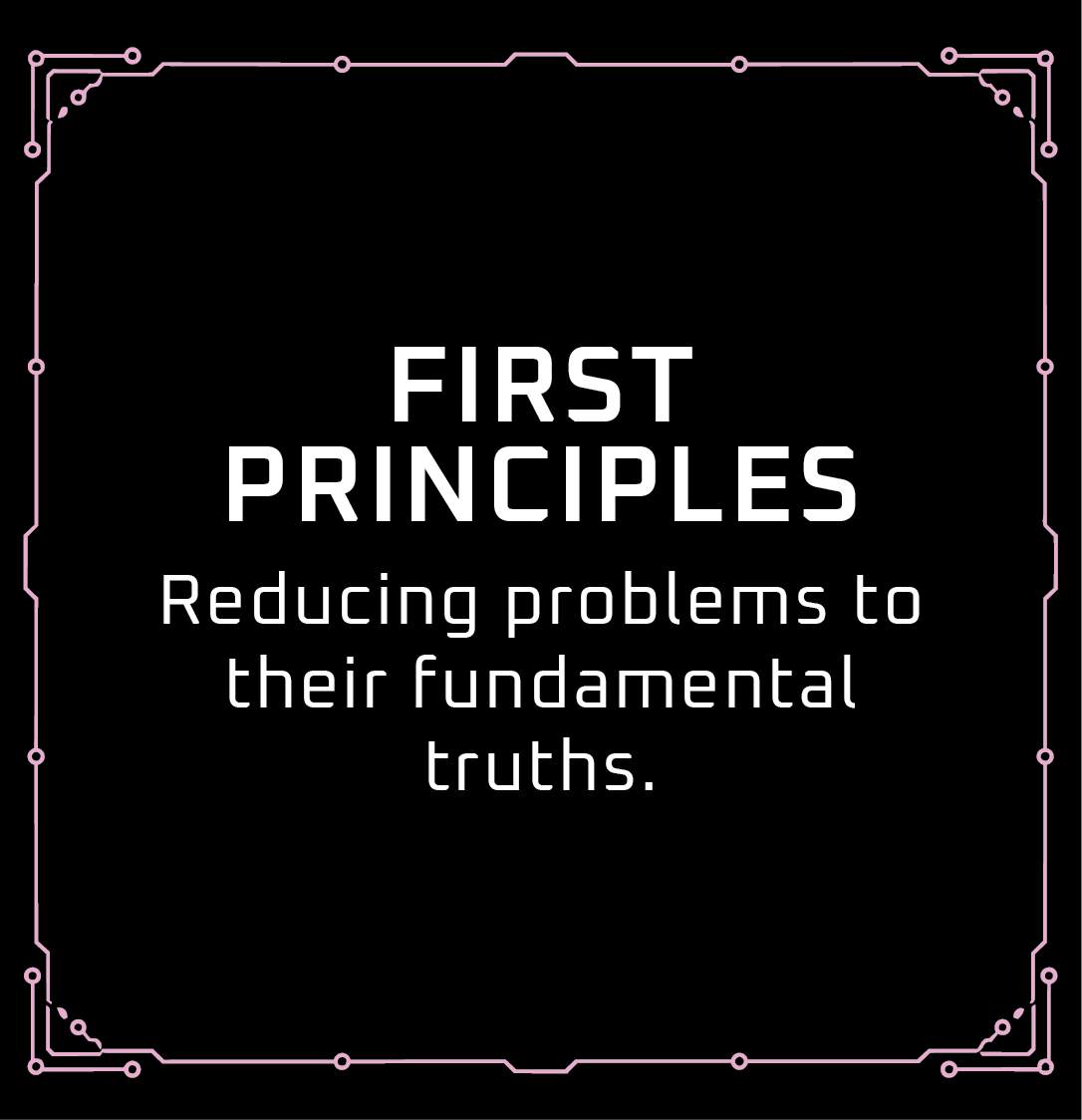
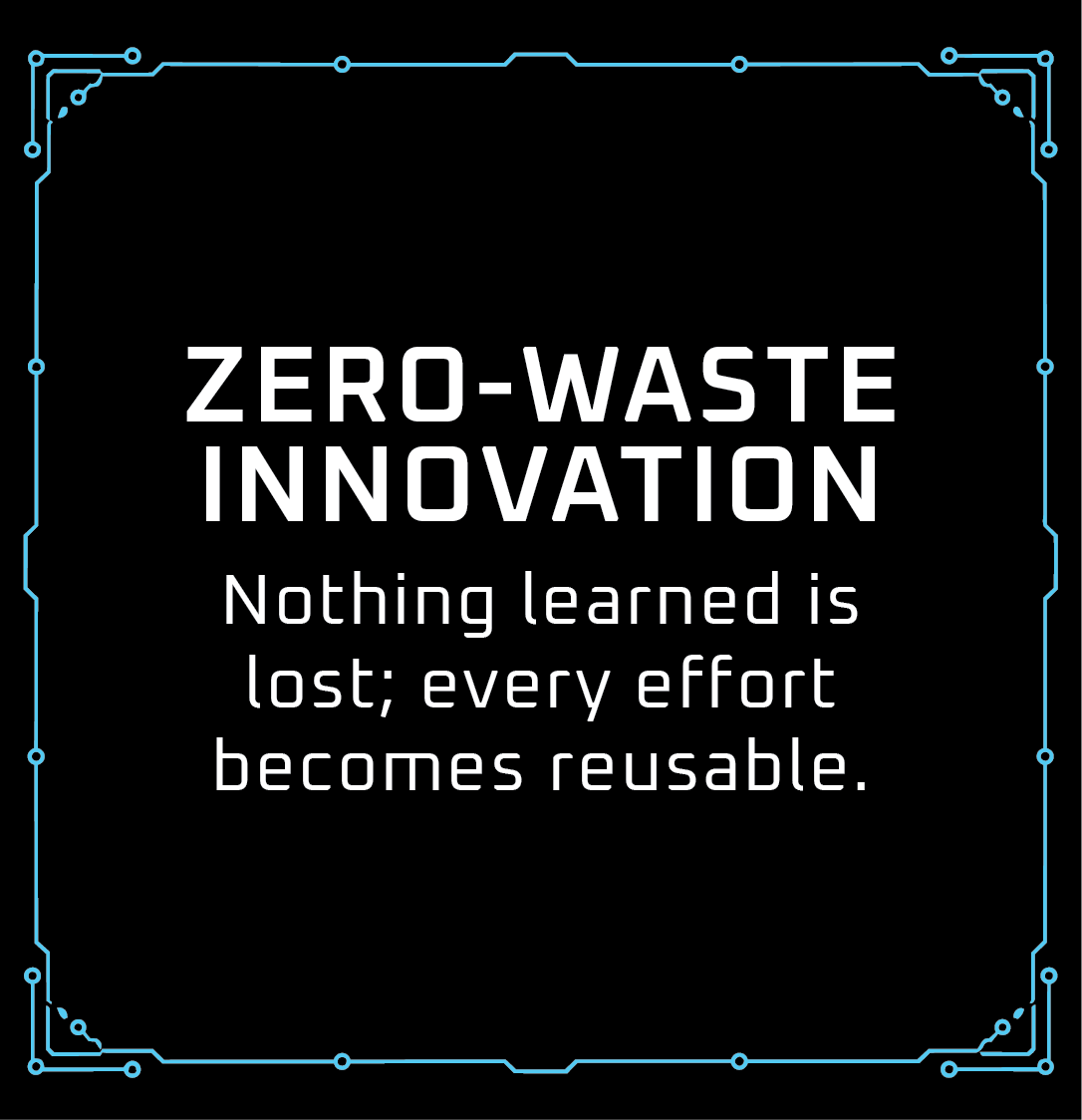
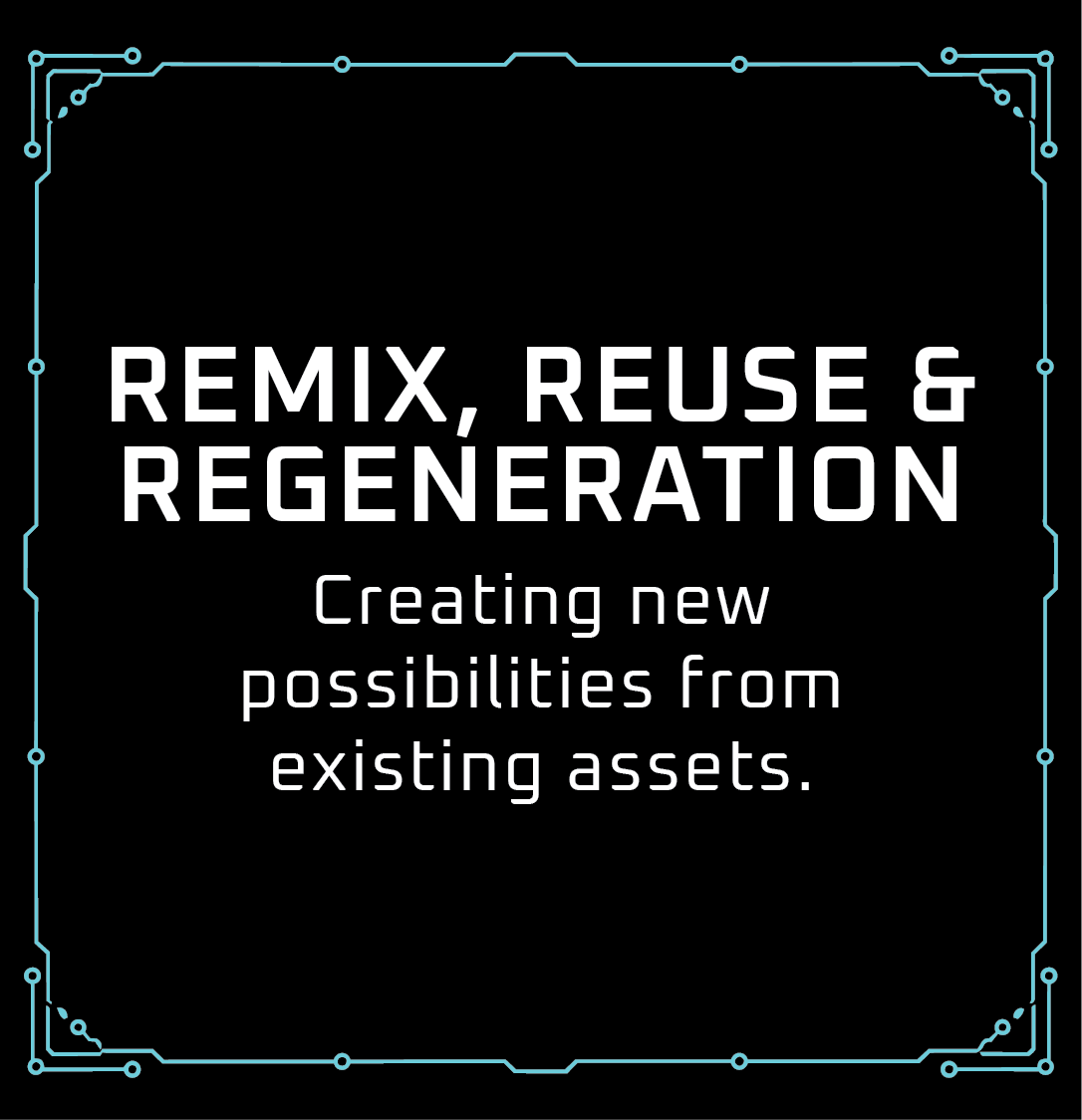
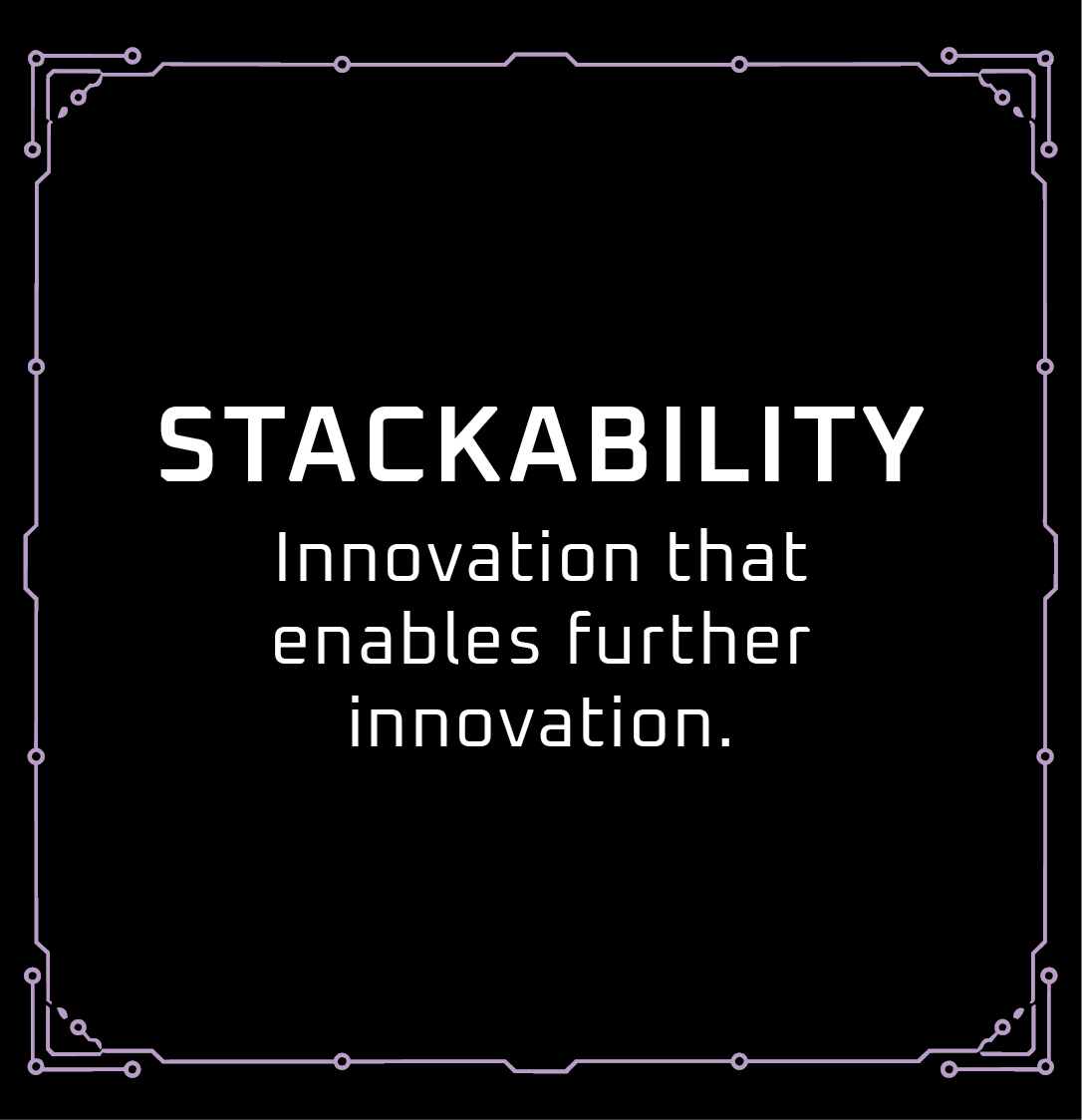
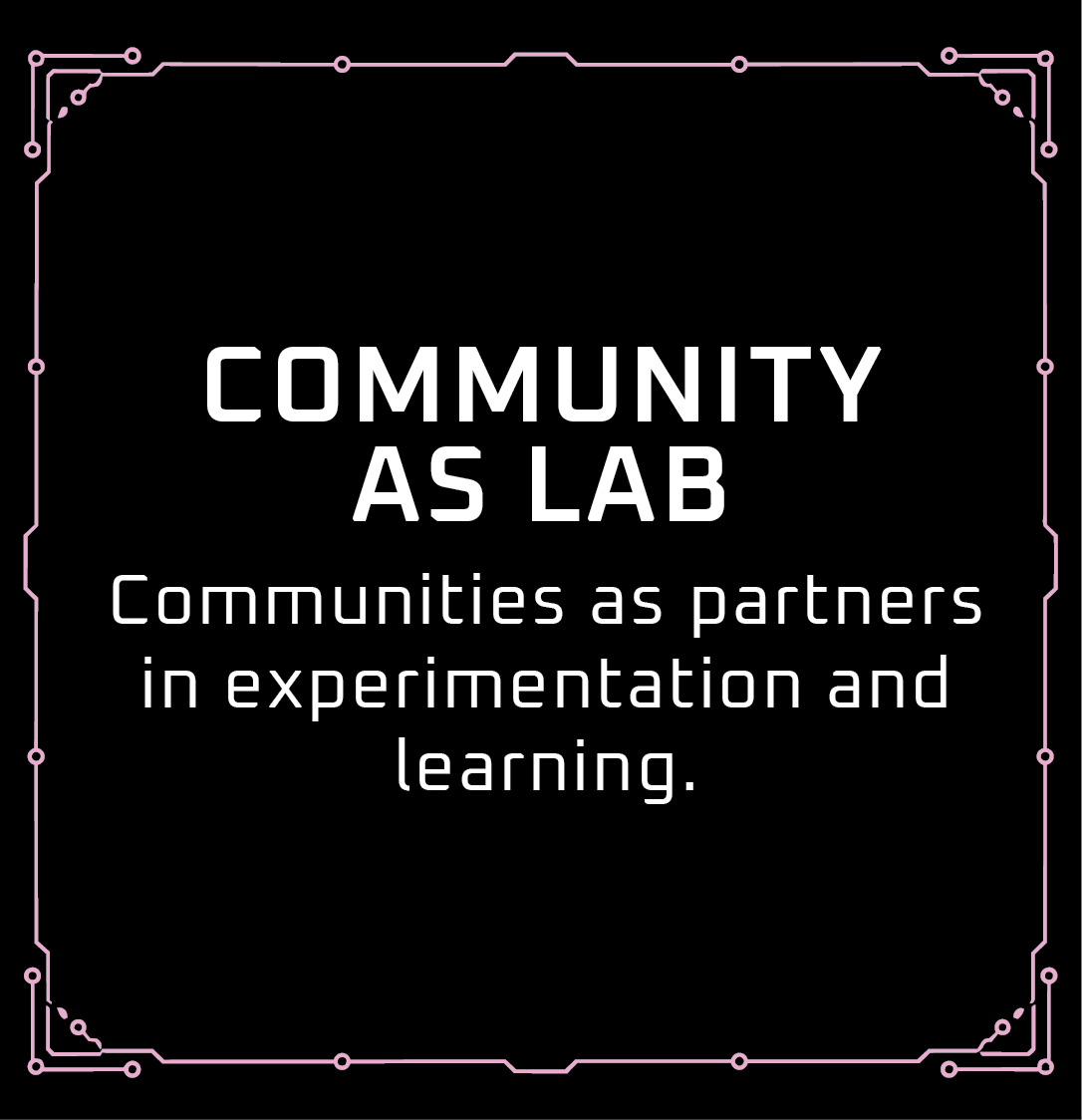
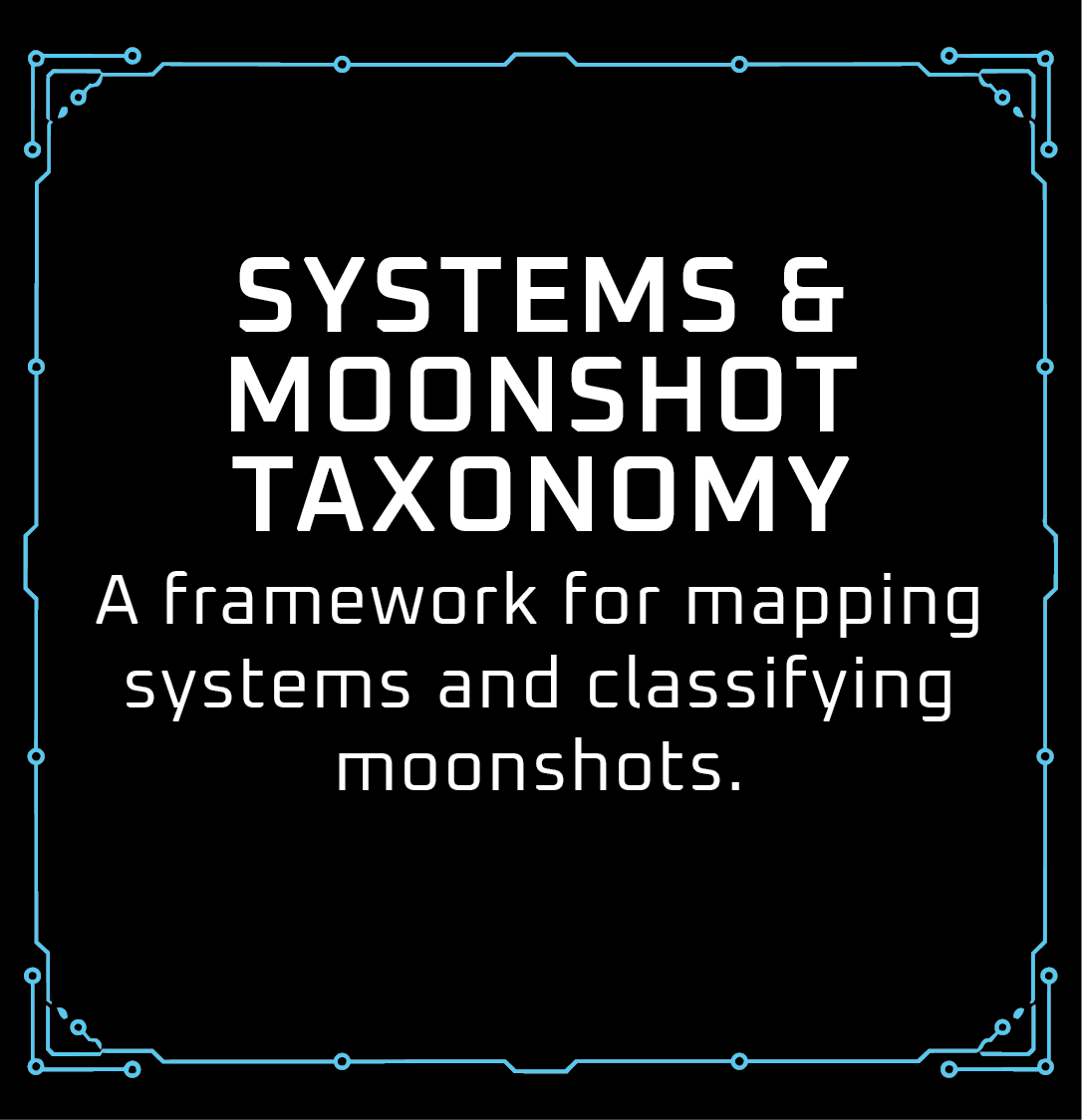
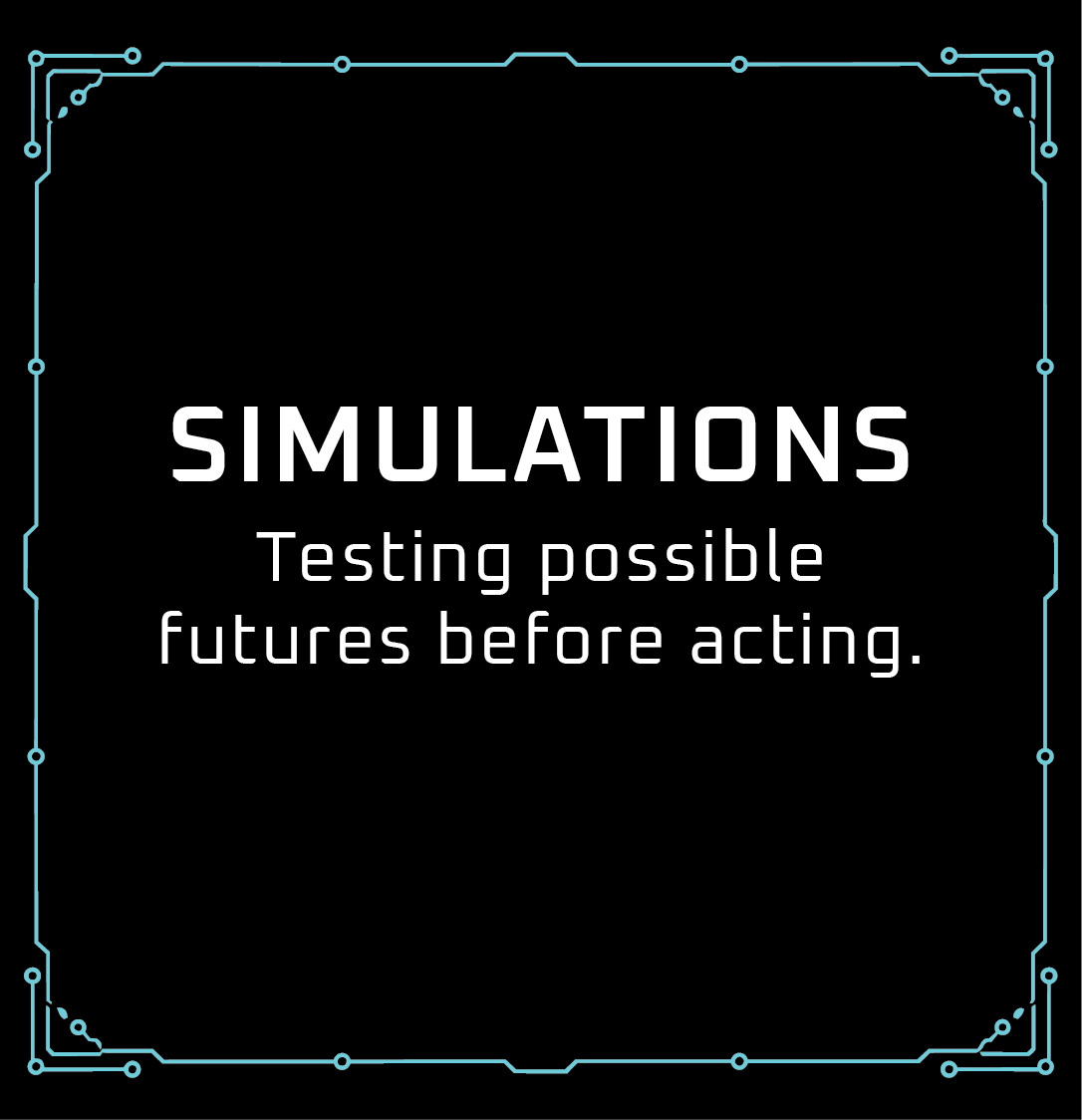
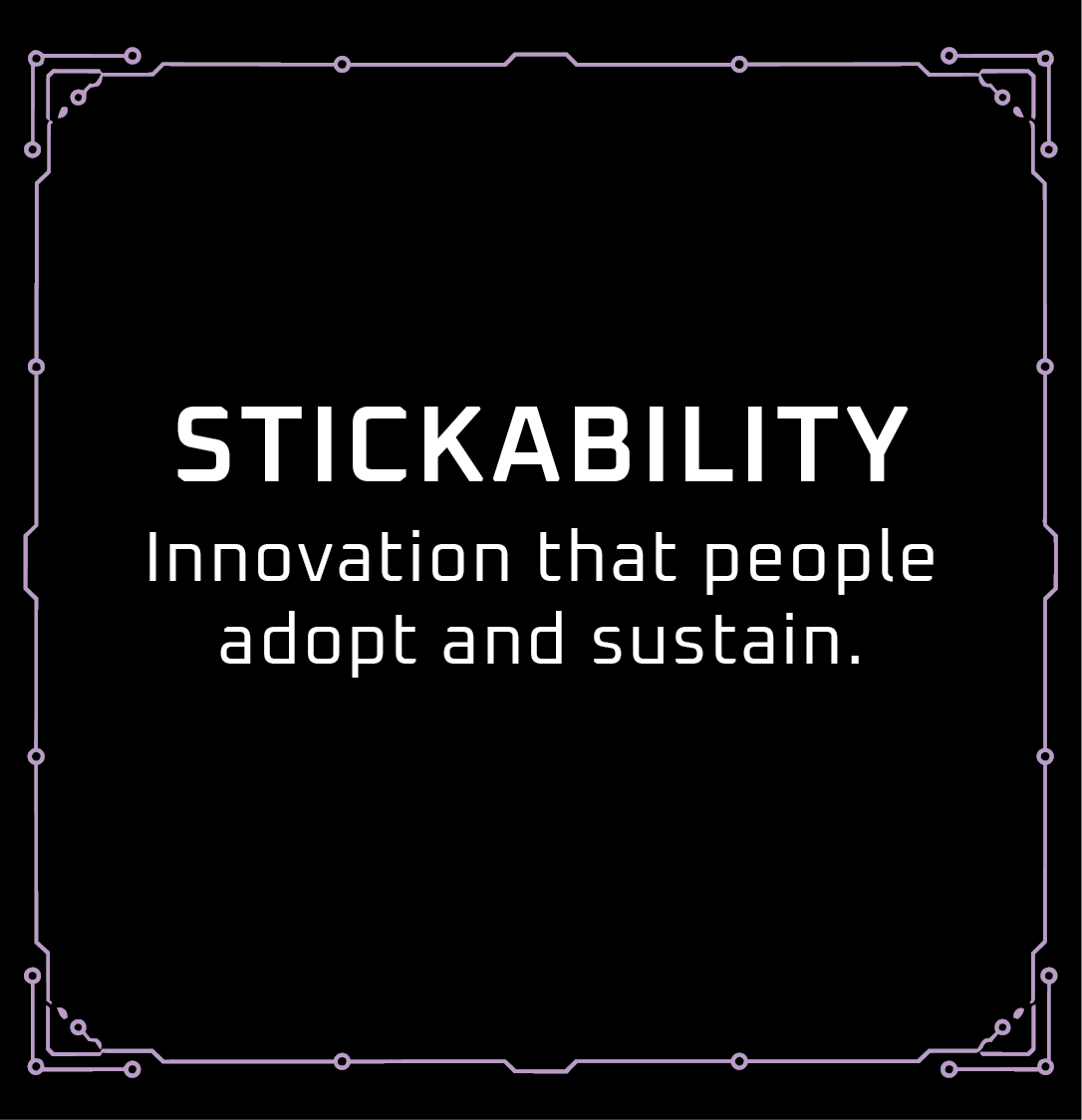
The discipline introduces a new vocabulary for understanding how bold possibilities emerge, survive, connect, and become enduring reality. Together, these foundational concepts provide researchers, educators, entrepreneurs, scientists, philanthropists, policymakers, institution builders, and practitioners with a common language for studying, practicing and advancing the field.
Foundational Concepts
Meet the Founding Advisors
Our Founding Advisors bring decades of experience across business, science, education, technology, design, public policy, philanthropy, and entrepreneurship. Together, they are helping establish the intellectual foundations and long-term stewardship of Possibility Sciences.
-
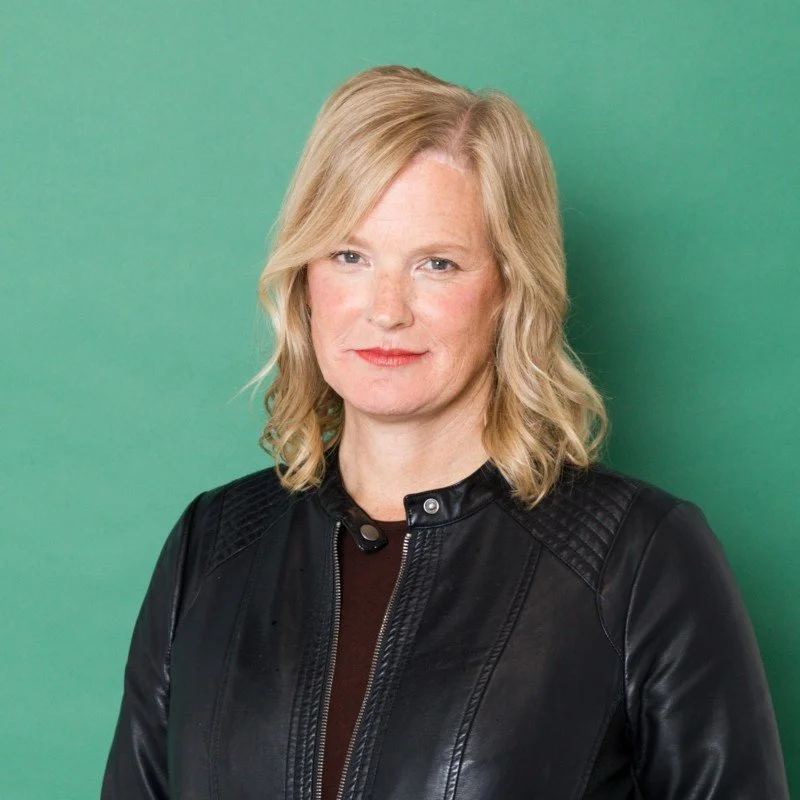
Vivienne Ming
a neuroscientist and entrepreneur who builds AI systems and ventures that advance human potential, applying deep research to real-world inclusion, health, and societal impact.
-
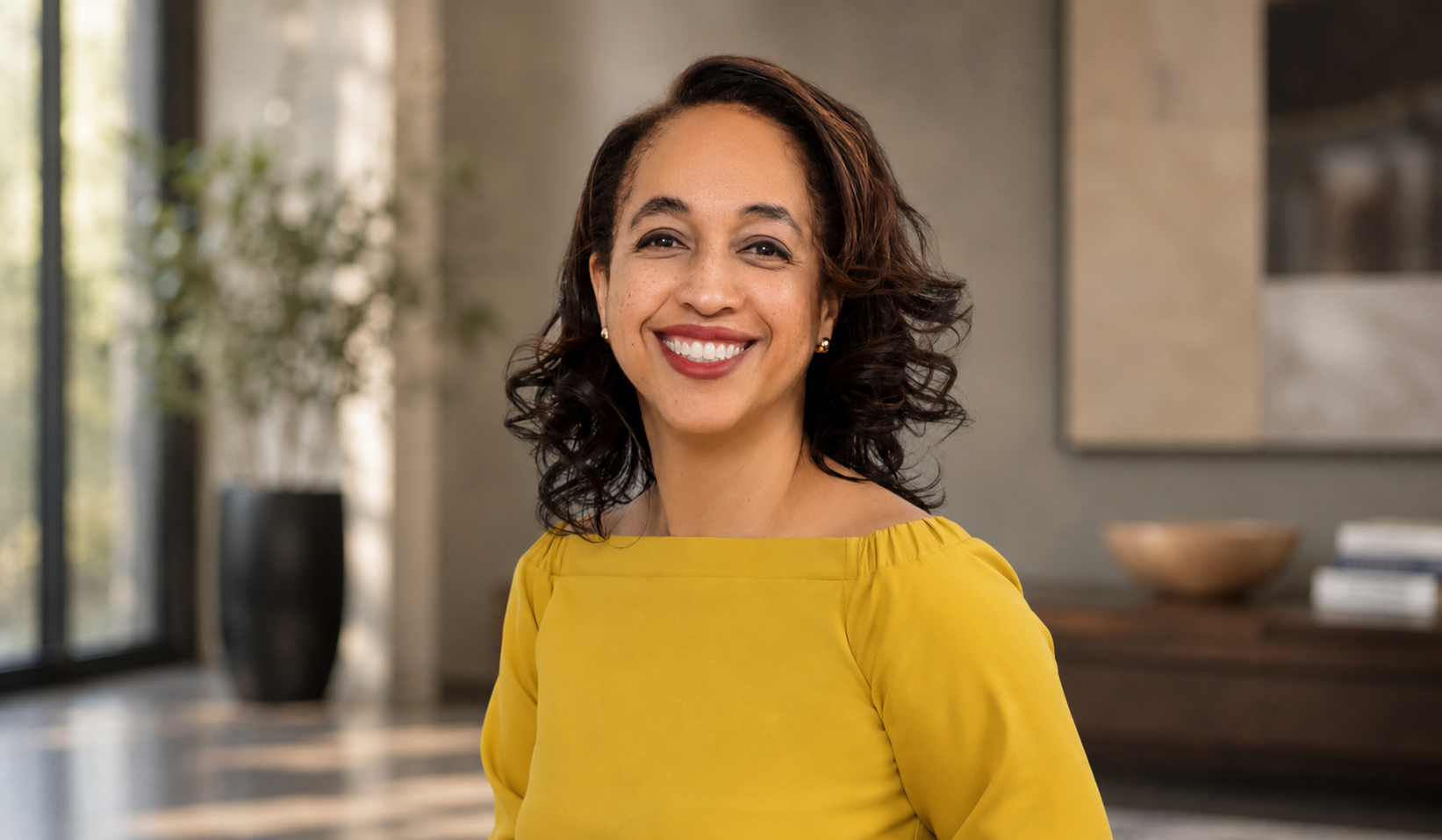
Geraldine Moriba
a media and nonprofit executive who builds AI-informed storytelling strategies and teams that grow global audiences, revenue, and impact for underrepresented communities.
-

Paul Butler
a systems thinker and institutional strategist working at the intersection of equity, policy, media, and democratic renewal, translating complex social challenges into structural reforms that reshape how power, trust, and opportunity move through institutions.
-
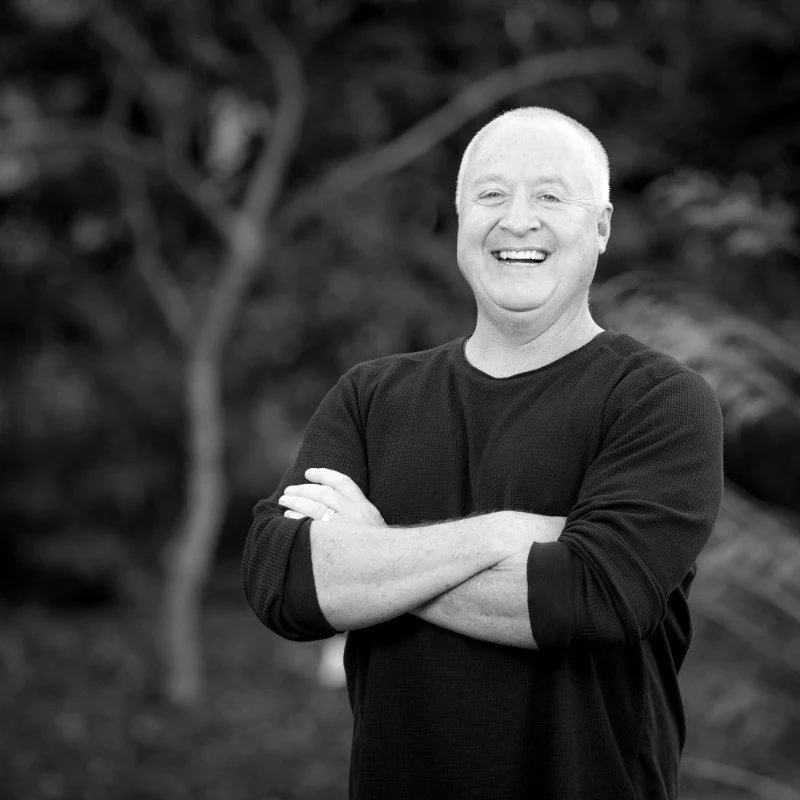
Andy Walshe
a human performance architect who trains elite athletes, creatives, and leaders, blending neuroscience, extreme environments, and AI to expand global collective potential.
-
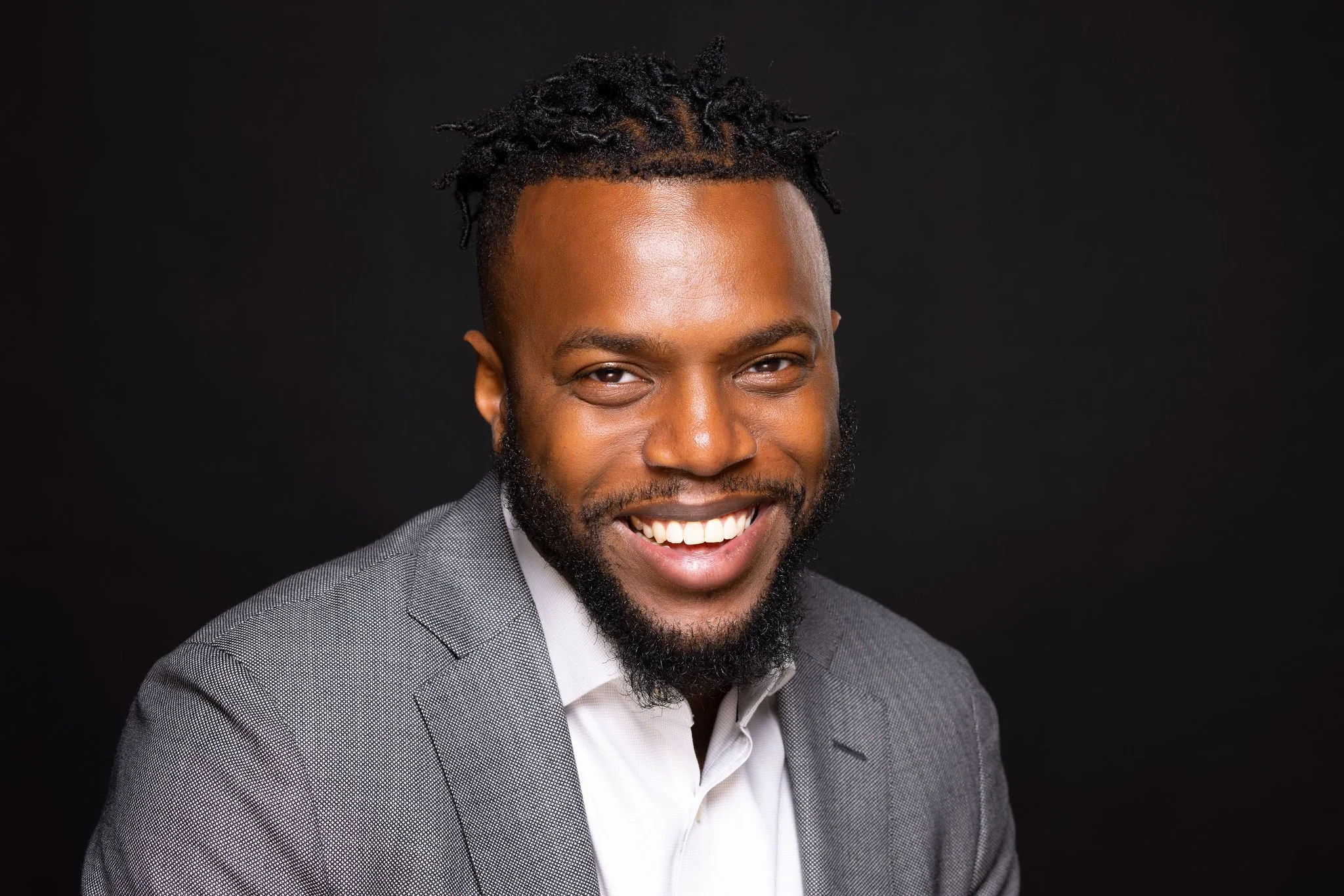
Jonathan Jackson
a storyteller–founder who builds culture-rooted media worlds, from co-founding Blavity and AfroTech to crafting franchises at the frontier of the creator economy and institutions.
-
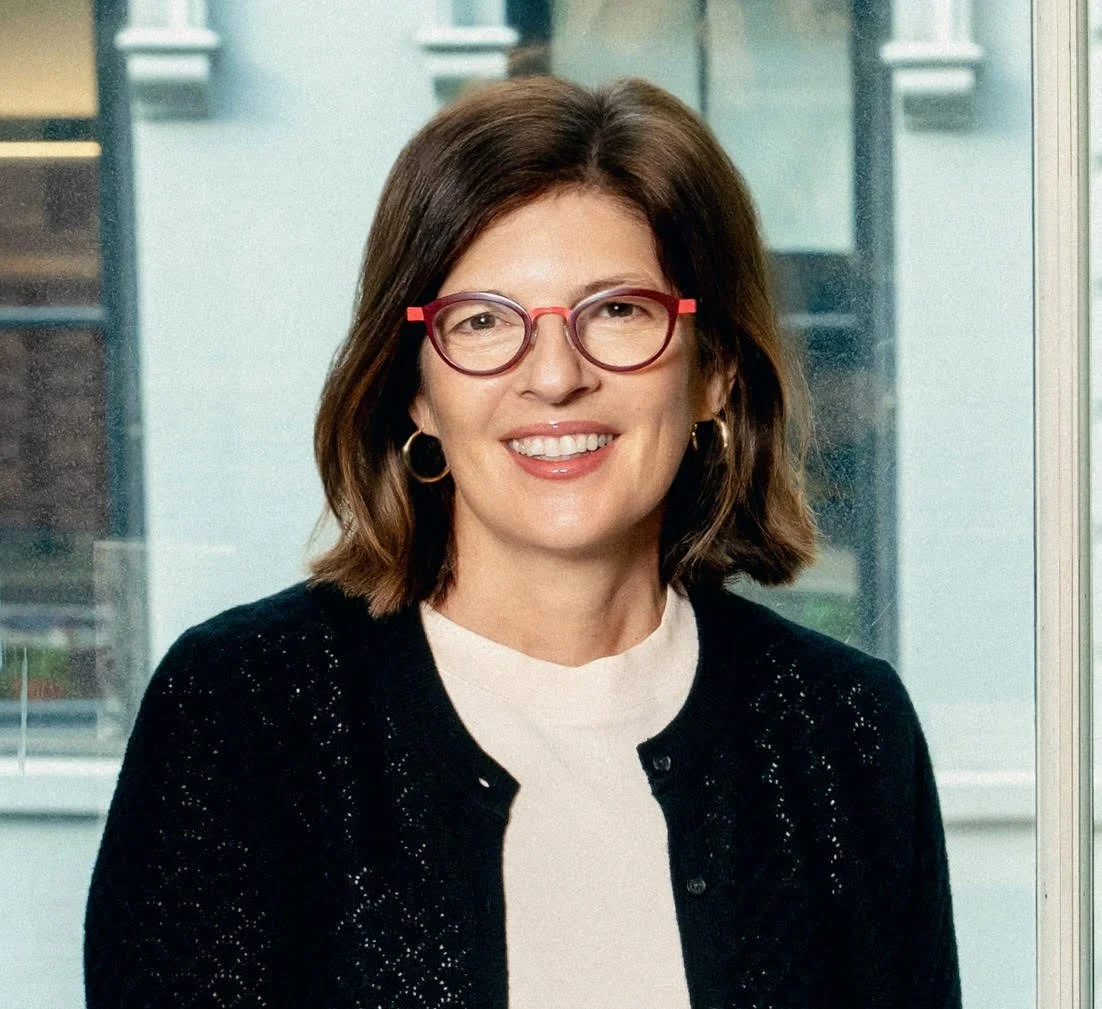
Jennie Baird
a former BBC Studios product leader and ethical tech advocate who builds and scales global digital platforms, embedding responsible AI and human-centered design to ensure technology delivers lasting societal impact.
-

Terry Young
a strategist, founder, and entrepreneur working at the intersection of AI, science, and culture. Former CEO of sparks & honey, he built the Q AI platform and a global culture lab that transformed how organizations understood and navigated change. His work now focuses on democratizing breakthrough innovation and rebuilding the systems that shape society’s long-term trajectory.
-
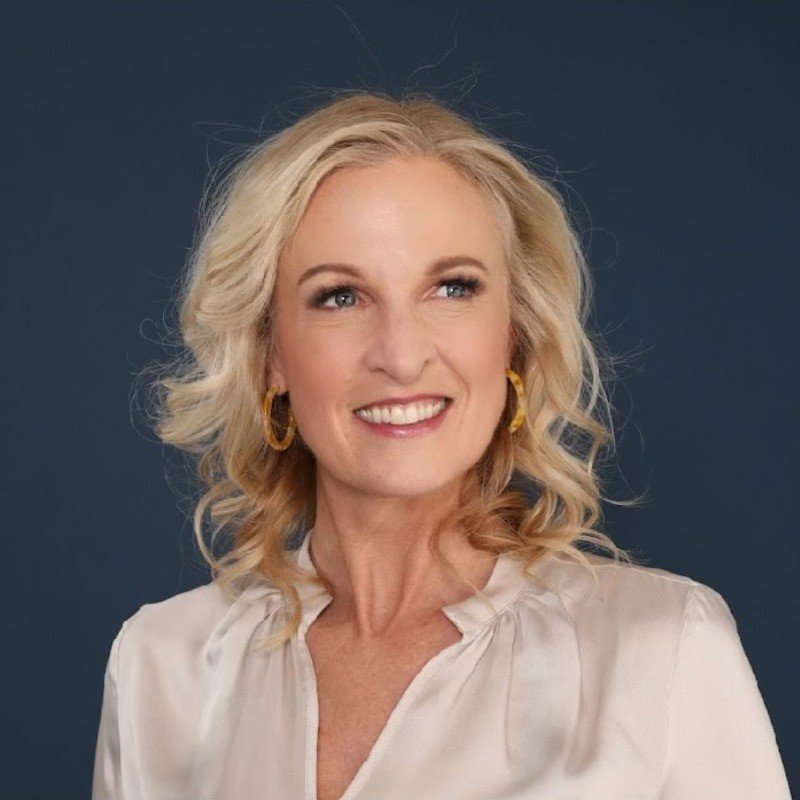
Jennifer Brown
an award-winning entrepreneur, bestselling author, and inclusive-leadership expert who advises global brands and keynotes around the world on building future-ready, truly inclusive workplace cultures.
-

Eric Lau
an award-winning multidisciplinary creative director and strategist working at the intersection of AI, design, and culture. A globally exhibited artist shown at Sotheby’s and the New York Stock Exchange and featured by The New York Times, he is also a professional scuba diver, overlander, and co-founder of an independent watch brand. His work focuses on applied AI and creative systems that help organizations navigate cultural and technological change.
-
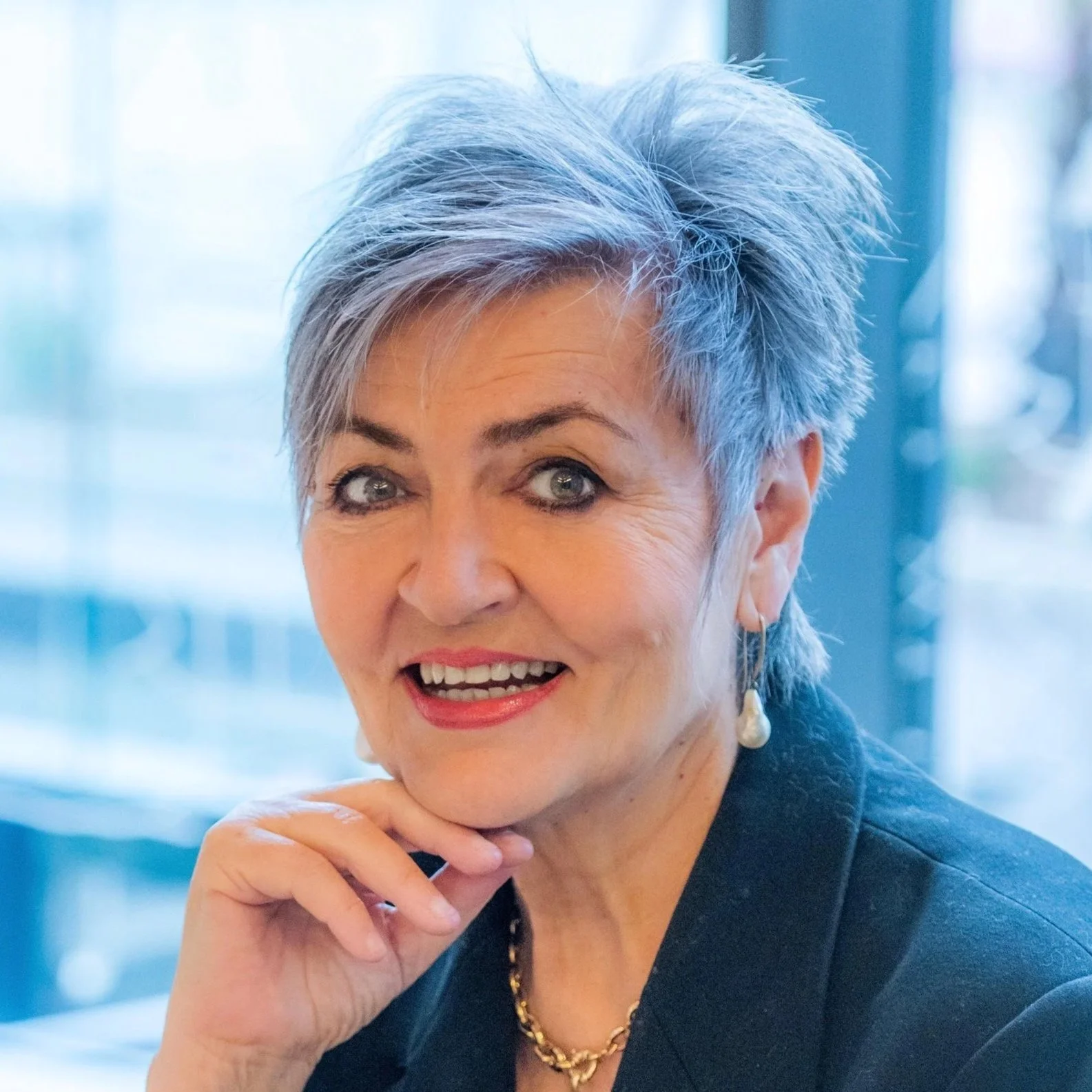
Annalie Killian
a strategic connector who builds partnerships and advisory boards, aligning innovators, institutions, and resilience leaders to tackle global challenges at the intersection of technology, business, culture, and society.
-
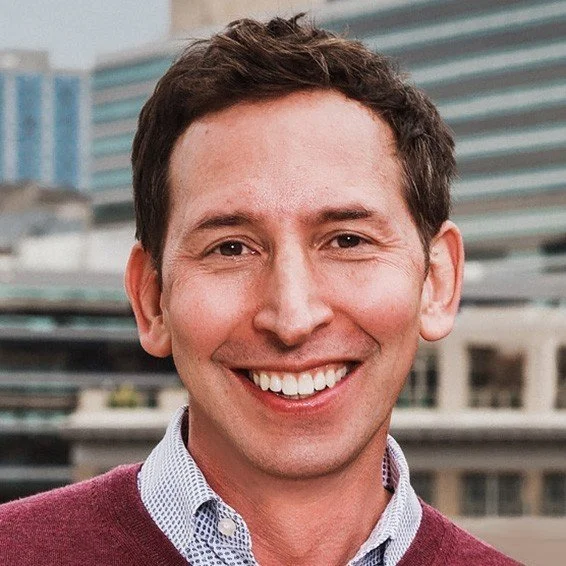
Bryan Janeczko
a transformational finance and strategy leader who scales high-growth ventures—optimizing capital, operations, and enterprise value with the combined vision of a founder and discipline of a CFO.
-

Zoe Mendelson
a writer and strategist. Co-founder of pussypedia.net and author of Pussypedia the book, she turns important, complex information into engaging content. Her new obsession is water.
-
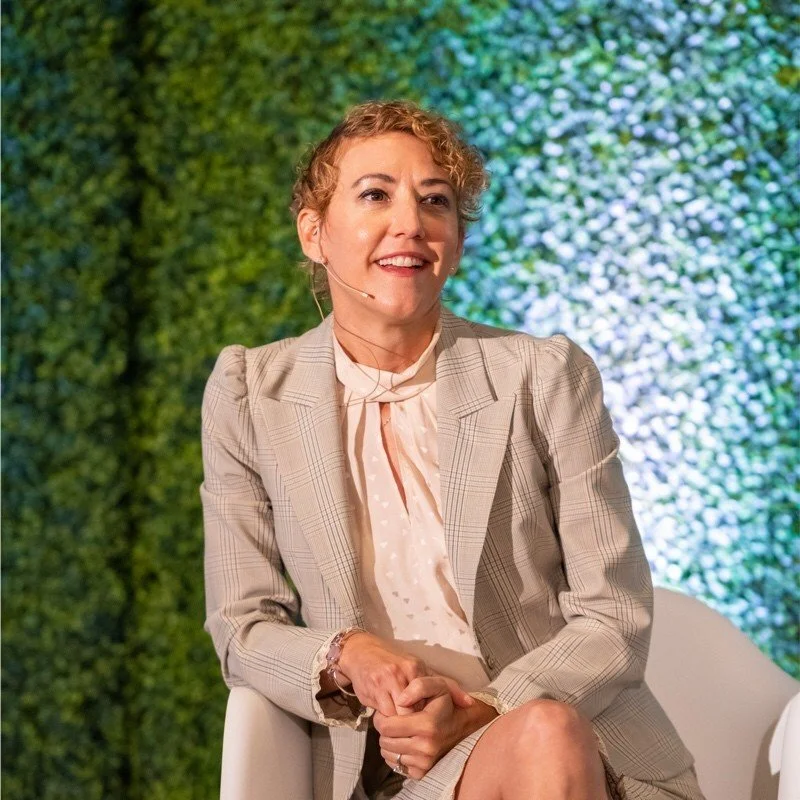
Faith Legendre
a holistic strategist and Aspen Fellow applying Natural Foresight, circularity, and future-of-health research to connect ecosystems, forge unlikely partnerships, and guide organizations toward healthier, more regenerative futures.
-
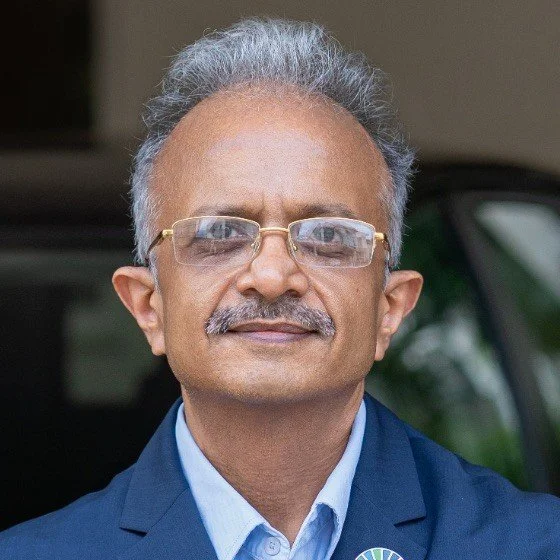
Sanjay Purohit
a systems thinker and institutional builder who convenes change leaders across 20+ countries, designing societal frameworks through the Centre for Exponential Change and apurva.ai; author of the Think Books and advisor to initiatives including the Don Norman Design Award, the UN DPI Safeguards Initiative, and Fundamentum.
-

Robin Farmanfarmaian
a healthcare futurist, entrepreneur, and keynote speaker who translates complex medical technologies into actionable insight for healthcare systems, clinicians, and patients. Having delivered more than 250 keynotes across 16 countries, she has advised and spoken for organizations including UnitedHealthcare, Mass General Hospital, Stanford Hospital, Roche, Kaiser, Humana, Verily, Abbott, Takeda, The White House, and Boston Scientific. She is the co-founder of ChiroScript AI, a generative AI medical scribe platform, and serves on the advisory boards of companies spanning AI-driven diagnostics, longevity, virtual reality for radiology, and next-generation patient care.
-

Kristin Molinari Cohen
a growth strategist and brand builder who helps emerging ideas become enduring organizations. Drawing on leadership roles spanning Fortune 500 companies, startups, media, and innovation consulting, she specializes in translating complex concepts into compelling brands, strategic partnerships, and market momentum.