About Possibility Sciences

Possibility Sciences asks a different class of questions than traditional innovation disciplines. Not just what the future will be, but how futures actually get built.

It asks: How do breakthroughs really emerge? How do they spread, and why do they stall? What makes some dreams dormant and others activated? How do structures like incentives, governance, culture, and capital shape what becomes possible and what quietly gets ruled out?

Possibility Sciences was formed when a group of builders, researchers, and system designers came to the same conclusion: innovation itself needs to be redesigned. Not because we lack ideas, but because the systems meant to carry them are outdated. So we came together to build a new discipline for designing, simulating, and mobilizing the futures we actually need.

Possibility Sciences is the study of how imagination becomes reality and why, so often, it does not. It draws on systems thinking, cultural analysis, behavioral science, design, advanced computation, network theory, and public interest technology to create a methodology for designing futures rather than merely predicting them.

At the center is what we call the Possibility Gap, the distance between what we can imagine and what our systems can reliably activate. In practical terms, Possibility Sciences offers tools for narrowing that gap. It helps us build environments in which imagination can be explored, tested, simulated, and mobilized with intention.

It takes seriously the full journey from early signal or hunch to system-level change and builds the methods to carry that journey all the way through.

Scroll to meet the Advisory Board shaping the field and the first cohort of Possibilians, and to explore the moonshots they believe we should imagine and pursue together.

Possibilian Advisor Board

  • testing

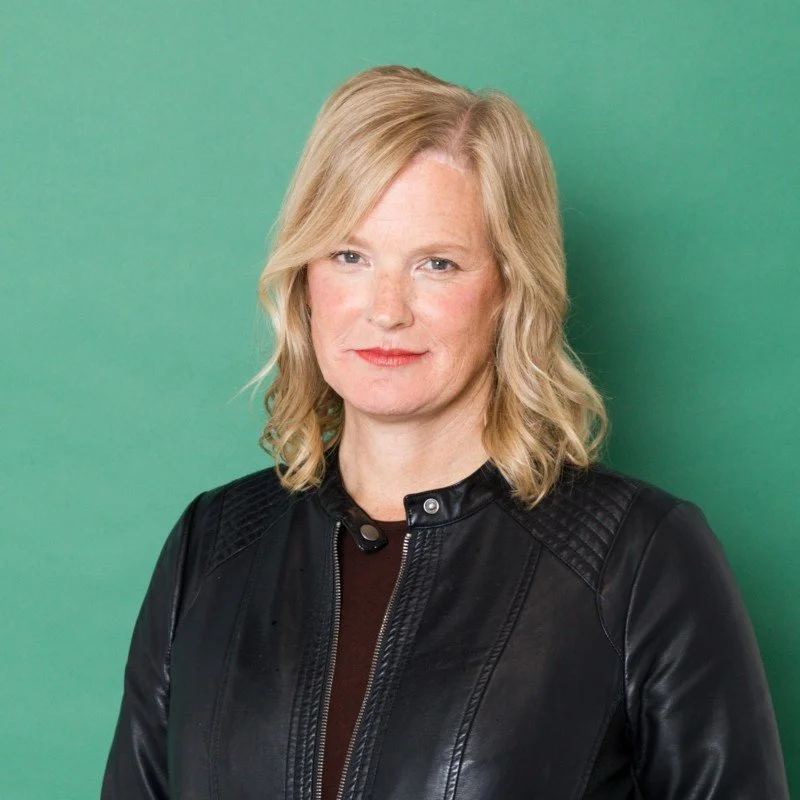
    Vivienne Ming

    a neuroscientist and entrepreneur who builds AI systems and ventures that advance human potential, applying deep research to real-world inclusion, health, and societal impact.

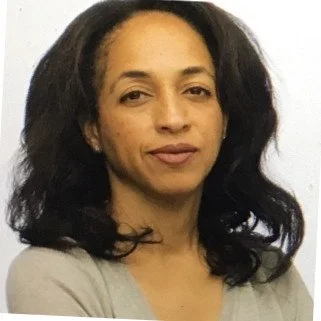
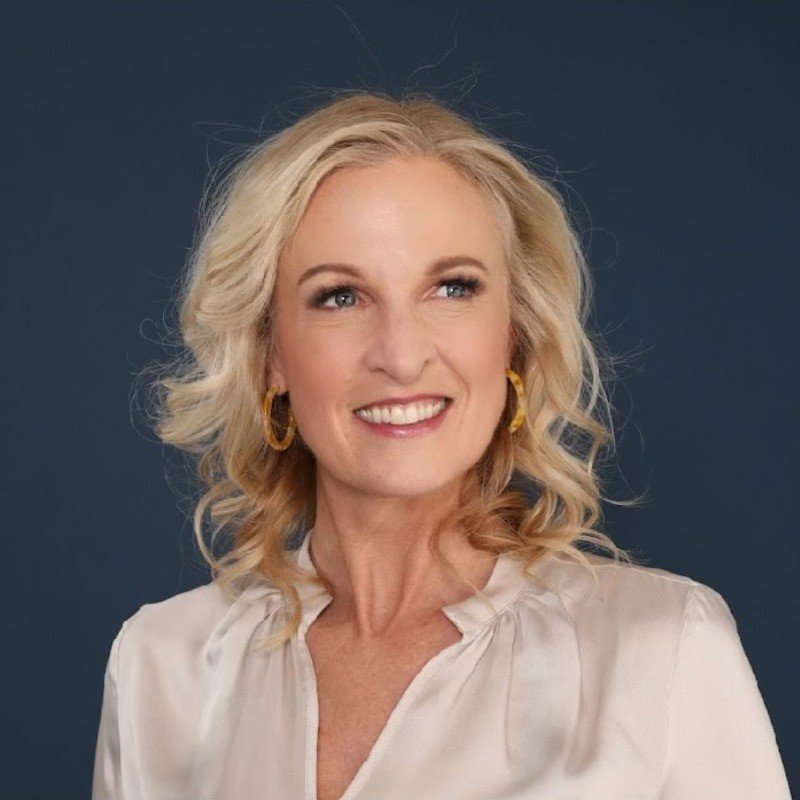
  • Geraldine Moriba

    a media and nonprofit executive who builds AI-informed storytelling strategies and teams that grow global audiences, revenue, and impact for underrepresented communities.

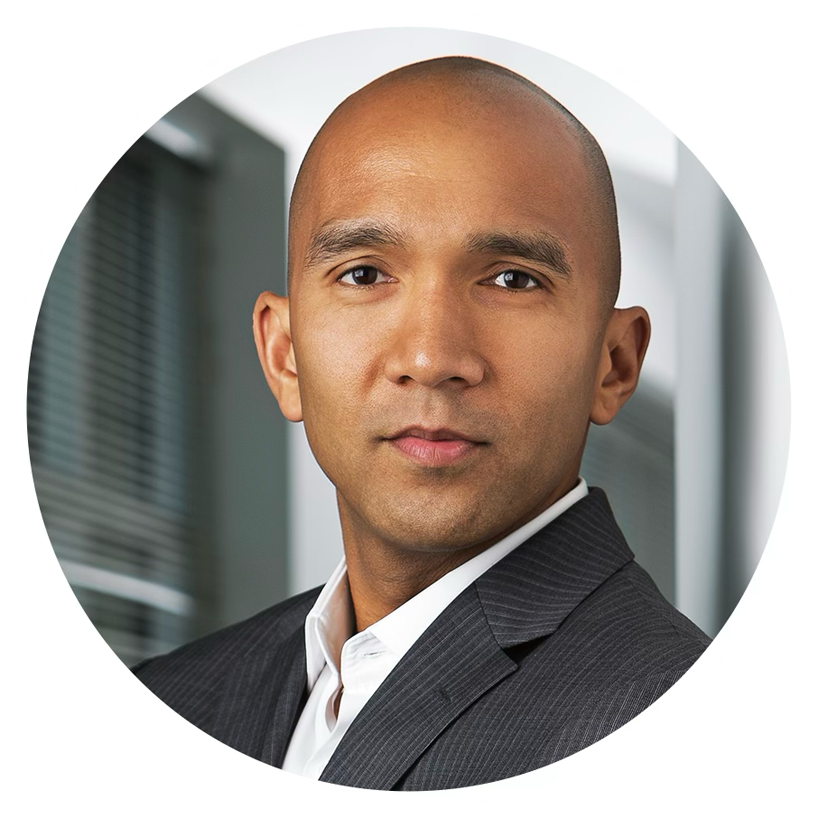
  • Paul Bulter

    a systems thinker and institutional strategist working at the intersection of equity, policy, media, and democratic renewal, translating complex social challenges into structural reforms that reshape how power, trust, and opportunity move through institutions.

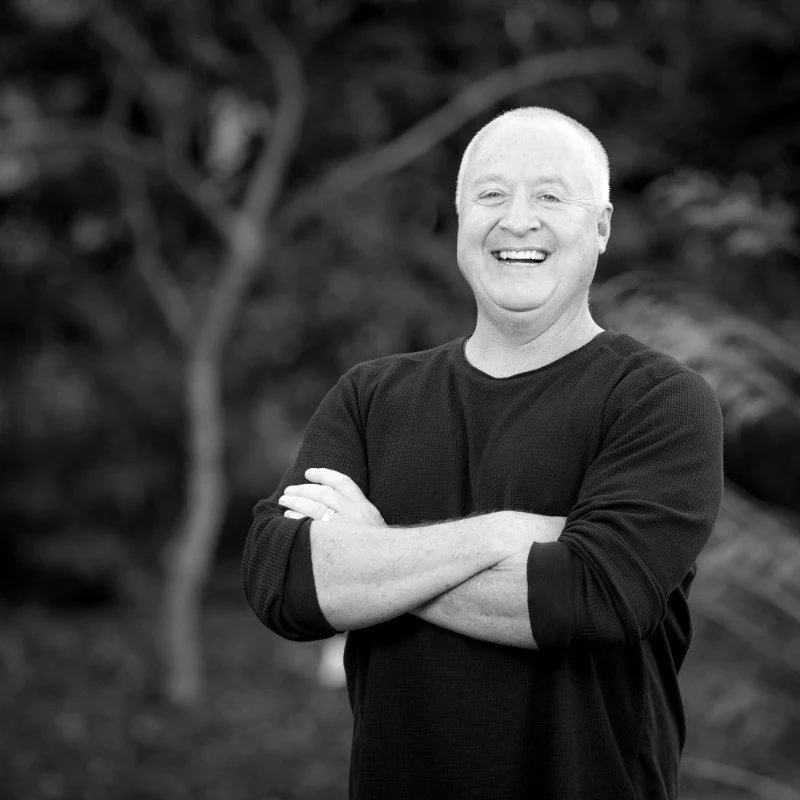
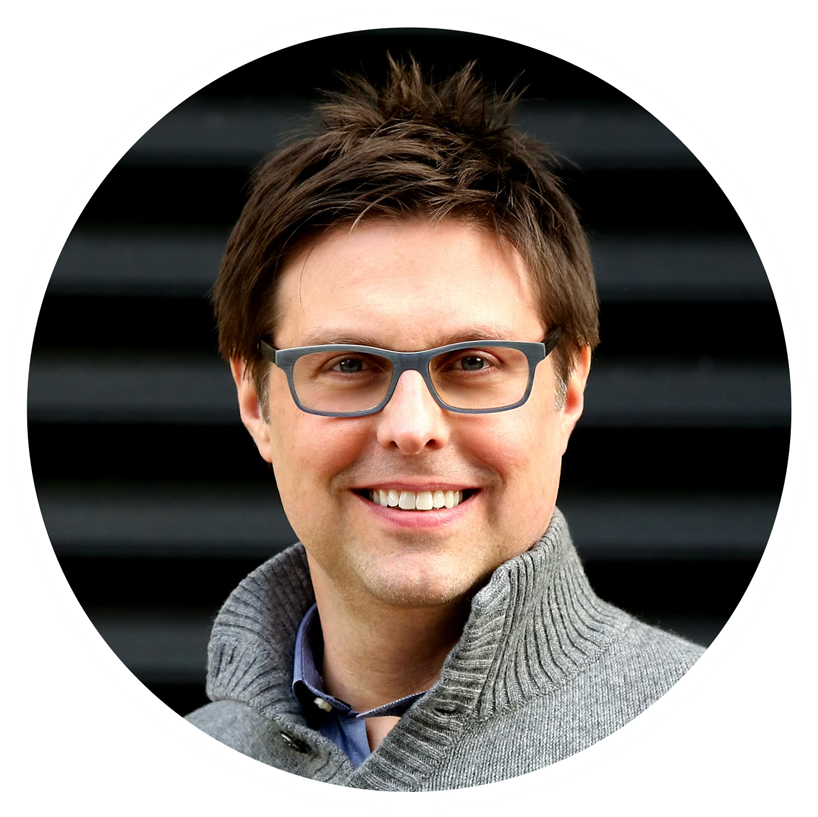
  • Andy Walshe

    a human performance architect who trains elite athletes, creatives, and leaders, blending neuroscience, extreme environments, and AI to expand global collective potential.

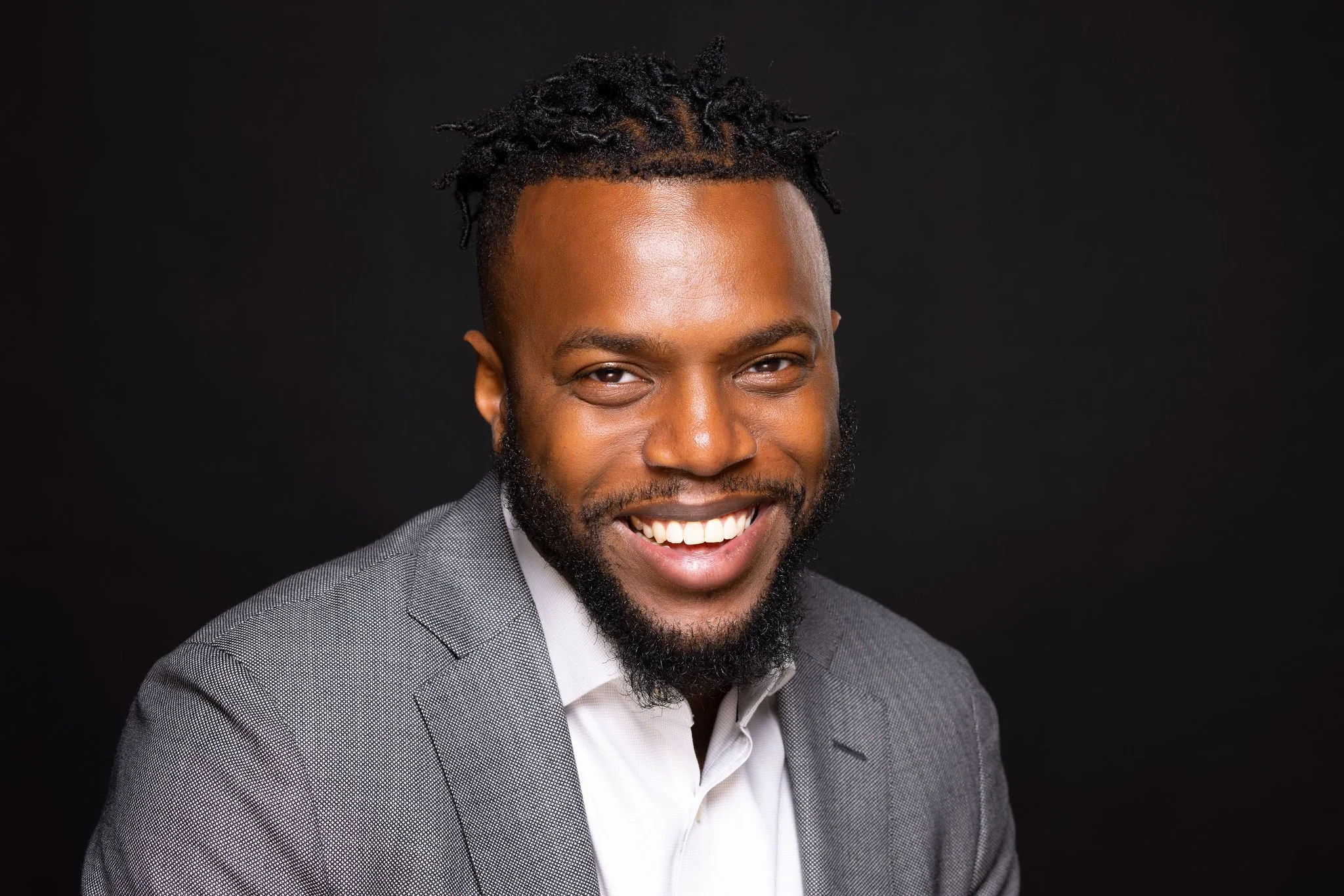
  • Jonathan Jackson

    a storyteller–founder who builds culture-rooted media worlds, from co-founding Blavity and AfroTech to crafting franchises at the frontier of the creator economy and institutions.

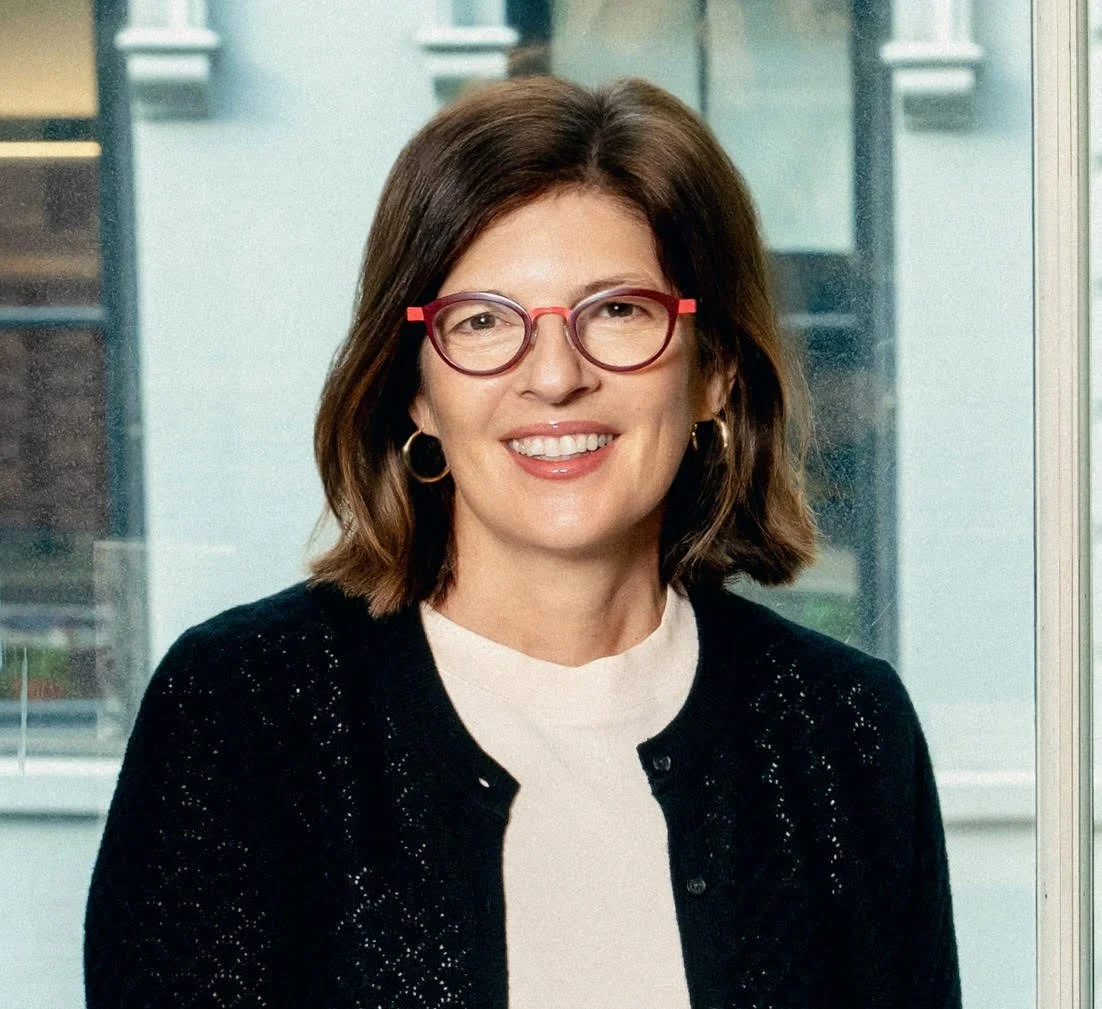
  • Jennie Baird

    a former BBC Studios product leader and ethical tech advocate who builds and scales global digital platforms, embedding responsible AI and human-centered design to ensure technology delivers lasting societal impact.

  • Terry Young

    a strategist, founder, and entrepreneur working at the intersection of AI, science, and culture. Former CEO of sparks & honey, he built the Q AI platform and a global culture lab that transformed how organizations understood and navigated change. His work now focuses on democratizing breakthrough innovation and rebuilding the systems that shape society’s long-term trajectory.

  • Jennifer Brown

    an award-winning entrepreneur, bestselling author, and inclusive-leadership expert who advises global brands and keynotes around the world on building future-ready, truly inclusive workplace cultures.

  • Eric Lau

    an award-winning multidisciplinary creative director and strategist working at the intersection of AI, design, and culture. A globally exhibited artist shown at Sotheby’s and the New York Stock Exchange and featured by The New York Times, he is also a professional scuba diver, overlander, and co-founder of an independent watch brand. His work focuses on applied AI and creative systems that help organizations navigate cultural and technological change.

  • Annalie Killian

    a strategic connector who builds partnerships and advisory boards, aligning innovators, institutions, and resilience leaders to tackle global challenges at the intersection of technology, business, culture, and society.

  • Bryan Janeczko

    a transformational finance and strategy leader who scales high-growth ventures—optimizing capital, operations, and enterprise value with the combined vision of a founder and discipline of a CFO.

  • Zoe Mendelson

    a writer and strategist. Co-founder of pussypedia.net and author of Pussypedia the book, she turns important, complex information into engaging content. Her new obsession is water. 

  • Faith Legendre

    a holistic strategist and Aspen Fellow applying Natural Foresight, circularity, and future-of-health research to connect ecosystems, forge unlikely partnerships, and guide organizations toward healthier, more regenerative futures.

  • Sanjay Purohit

    a systems thinker and institutional builder who convenes change leaders across 20+ countries, designing societal frameworks through the Centre for Exponential Change and apurva.ai; author of the Think Books and advisor to initiatives including the Don Norman Design Award, the UN DPI Safeguards Initiative, and Fundamentum.

Possibilians (first cohort)

  • Kristin Molinari Cohen

    My moonshot is to transform women’s health by closing research gaps, embedding prevention and care across life stages, personalizing treatment, and elevating women’s pain to be believed—ending generations of silent suffering.

  • Steffan Bankier

    My moonshot is using AI to help people take better care of themselves, think more clearly, and build systems that make life feel less chaotic and more doable.

  • Wendi Ford

    My moonshot is to normalize mental health care by embedding trauma-informed education in schools, leveraging AI to personalize emotional learning, and dismantling stigma through global visibility—breaking cycles of abuse by teaching resilience early.

  • John Duffield

    My moonshot is to shift healthcare from a system that treats bodies to one that understands the full human journey, using AI to illuminate emotional patterns, predict needs, and build a new standard of whole-person support.

  • Barry Wade

    My moonshot is to dismantle the census lie that reduced humans to devalued race-based economics and rebuild marketing on the true intersectionality of life and identity, not demographic fate.

  • Bryan Gaffin

    My moonshot is to eliminate poverty in NYC. Poverty sits at the root of every major issue we face here, and I want to do a reverse Robert Moses and strengthen every single block in this city.

  • Fayee Wong

    As a certified water sommelier, my moonshot is to make it possible for anyone, anywhere, to access the water their body truly needs with a single click.

  • David Beatty

    My moonshot is one person, one vote globally, with shared sovereignty over air, water, earth, and fire.

  • Daniel Magallanes

    My moonshot is to reimagine cybersecurity from reactive defense to regenerative security—where every attack and near-miss strengthens the ecosystem, and success is measured by learning, adaptation, and resilience rather than zero breaches.

  • Ben Chan

    My moonshot is a fully automated AI sales development agent that understands complex business context and can independently prospect, learn, and find product-market fit.

  • Gabriel Hui

    My moonshot is that everyone can discover their hidden talents—the ones the world truly needs—and find the confidence and strength to pursue them, building rewarding careers around what they love rather than staying in work that feels empty just for a paycheck.

  • Nurken Rzaliev

    My moonshot is to make world-class entrepreneurship geographically inevitable by designing and scaling repeatable systems that enable globally competitive companies and leadership pipelines to emerge anywhere—turning local successes into durable proof, reusable playbooks, and shared infrastructure that allow ecosystems to compound rather than restart from scratch.

  • Wes Basham

    My moonshot is to make Cancer and Poverty as rare and treatable as the common cold—not by managing them better, but by re-engineering the world so they can no longer exist.

  • Amy Givens

    My moonshot is to prevent osteoarthritis before it becomes irreversible by enabling the body to repair skeletal tissue during recovery—shifting care from waiting for joint failure and replacement surgery to proactive regeneration for athletes and aging adults.

  • Javince Chan

    My moonshot is a world where belonging is easy and judgment-free. Learning anything is effortless. Support surrounds you, guidance is always there, and you can always find someone to teach, guide, give extra hands or share the journey—for building, healing, exploring, caring for loved ones, or simply being. Life is full without nicotine, alcohol, or drugs, and technology frees us from physical constraints.

  • Maura Charles

    My moonshot is to end cultural amnesia around women’s contributions by restoring erased voices from history—so culture can no longer be built on forgetting half of humanity.

  • Elizabeth Harrington

    My moonshot is to make 'superager' an aspirational identity people claim early - reframing aging as a positive/badass goal worth training/preparing for.

  • Sofia Giannuzzi

    My moonshot is to use AI in a way that enhances and innovates on forms of authentic storytelling, rather than replacing the pieces of written language that are most human.

  • Nicole Castillo

    My moonshot sits at the intersection of human sense-making and AI: to make collective intelligence visible in ways that help individuals and teams better understand the systems they’re operating inside. Today, people are asked to move faster and make higher-stakes decisions, yet they’re navigating invisible dynamics—misalignment, lost context, unclear incentives—without a map.

  • Gary Tang

    My moonshot is to redesign education around lifelong learning, simulation, and networked ecosystems—replacing the myth of the lone genius with scalable systems that democratize knowledge and equip the next generation to solve problems we can’t yet name.

  • Bobby Zipp

    My moonshot is to reinvent how families are built by creating new frameworks, systems, and institutions that support families beyond the traditional two-parent household—making it possible for people to form stable, supported families with friends, chosen kin, and broader communities.

  • Jessica Knopp-Gwynne

    My moonshot is to redesign the U.S. healthcare system around prevention rather than illness—shifting incentives and investment upstream so continuous diagnostics, personalized risk profiling, and evidence-based lifestyle and environmental interventions become the default. Success would be measured in years of healthy life, not procedures performed, with the goal of extending healthspan while reducing long-term costs and human suffering.

  • Maarten Leyts

    My moonshot is to make youth culture a core driver of innovation by actively involving the next generation in co-creating solutions to the challenges they face—so insights don’t just predict what’s next, but help define what becomes mainstream.

  • Sharon Foo

    My moonshot is to redesign aging and caregiving by 2050 as a shared societal infrastructure rather than a private burden, so longevity becomes a source of collective resilience and purpose instead of inequality and fear.

  • Noah Kaplan

    My moonshot is to build a universal creative infrastructure that allows anyone to move from idea to real-world impact through design, funding, manufacturing, and distribution without requiring institutional access or upfront capital. Creativity is evenly distributed, but opportunity is not. By creating shared systems that turn imagination into outcomes, innovation stops being gatekept and starts emerging from everywhere.